
 +90 533 888 29 50


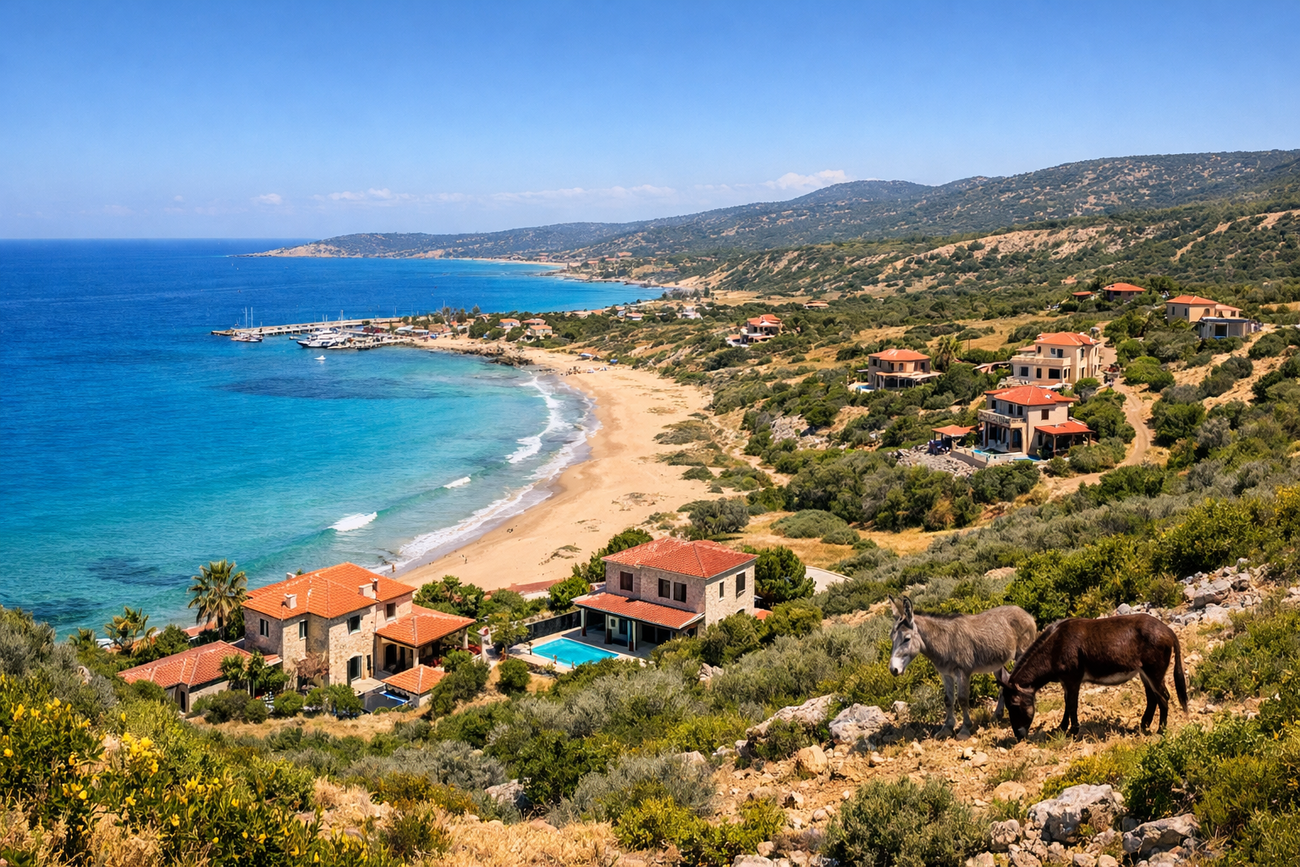

Karpasia is the most unspoiled and picturesque region of Northern Cyprus—where golden beaches meet protected natural habitats and a tranquil coastal lifestyle.
This introductory section will help you get your bearings quickly: what is meant by “Karpasia real estate,” how the Northern Cyprus property market is structured, where to begin when buying a home in Karpasia, and what the starting costs typically look like.
The legal framework on the island is governed by the institutions of the Turkish Republic of Northern Cyprus (TRNC). Key authorities include the Ministry of the Interior, which oversees land and immigration matters (see the official website: icisleri.gov.ct.tr); legislative acts are published in the Official Gazette of the TRNC, and immigration-related information—such as residence permits and visas—can be found at muhaceret.gov.ct.tr.
Karpasia – The Jewel of Northern Cyprus: Regional Overview and Lifestyle Insights
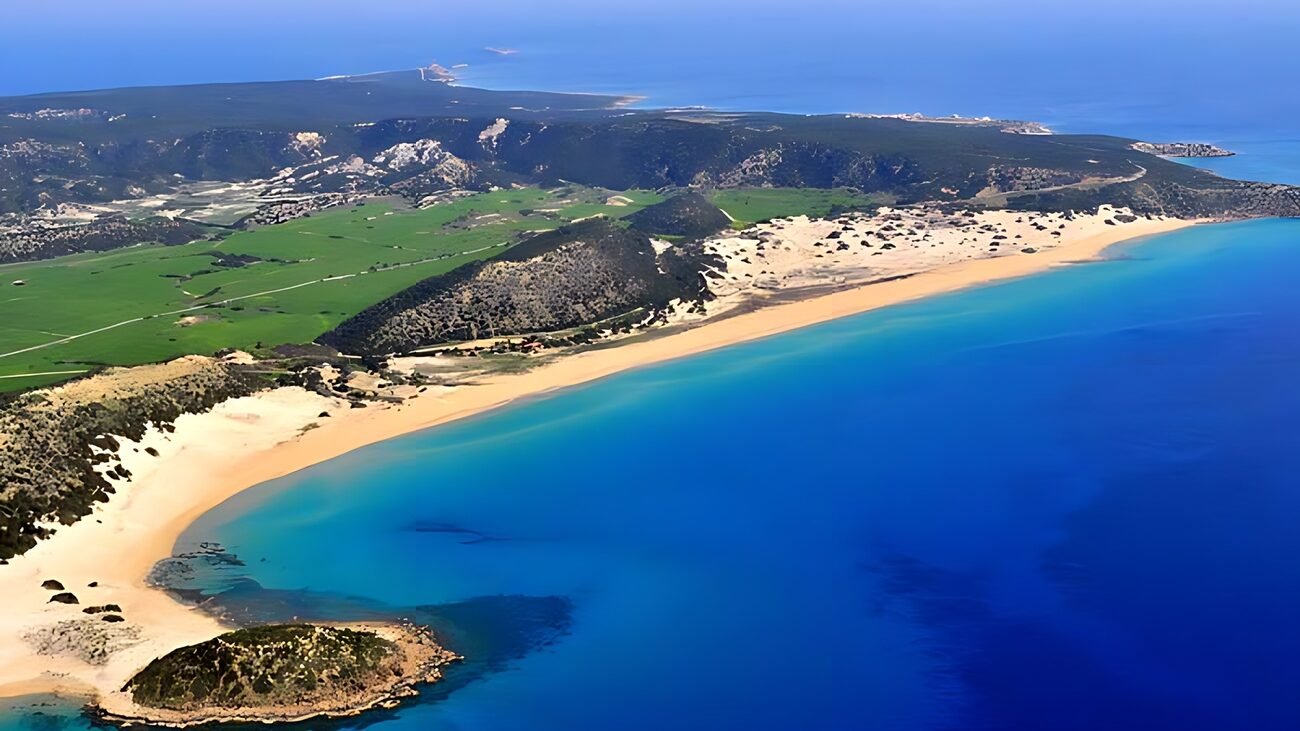
Karpasia (the Karpas Peninsula) is the most untouched and visually stunning region of Northern Cyprus, renowned for its expansive wild beaches such as Golden Beach, protected nature reserves, and its famous population of wild donkeys. Life here moves at a meditative pace, with direct access to the sea from nearly every vantage point and minimal human impact on the environment. The local population is mixed: the resort area of Bafra is undergoing active development, while the administrative and cultural heart of the peninsula is the village of Dipkarpaz (also known as Rizokarpaso).
Karpasia’s key advantage lies in its preserved natural landscapes and low building density. Strict ecological regulations and land-use restrictions, especially in coastal and protected zones, are published in the Official Gazette of the TRNC. Before initiating any construction or renovation project, it is strongly advised to verify the legal status of the land and the current planning guidelines.
Key Characteristics of the Region
- Landscape and coastline: A mosaic of sandy lagoons, dunes, and pine groves; locals from across the TRNC flock to Karpasia’s beaches on weekends.
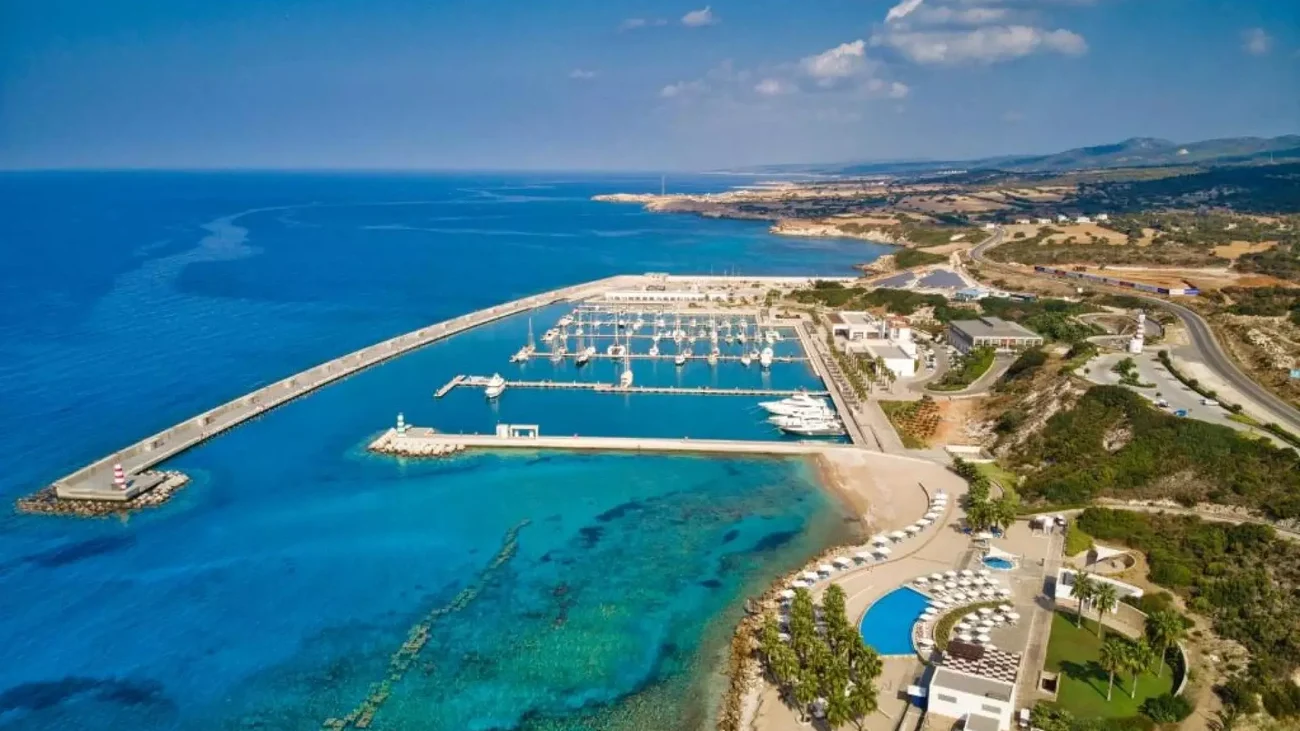
- Targeted tourism infrastructure: Bafra hosts hotels and apartment resorts; Dipkarpaz offers mini-markets, traditional taverns, and services for yacht travelers at Karpaz Gate Marina.
- Accessibility: Travel is primarily by car; intercity buses run less frequently here than in Kyrenia or Famagusta.
Climate and Seasonality
Karpasia enjoys a classic Mediterranean climate with mild winters and long, hot summers. January temperatures average +12–14°C, while July sees highs of +30–34°C. The swimming season typically lasts from May through November, with sea temperatures reaching +25–28°C in summer. Coastal breezes temper the heat, while inland areas warm more intensely.
Practical takeaway: With over 300 sunny days a year, Karpasia experiences peak demand for short-term rentals and hotels from June to September. The off-season is ideal for long-term living or remote work.
Nature and Protected Areas
The northeastern ridge of Karpasia is a designated conservation area, where building and shoreline usage are heavily restricted. These measures safeguard biodiversity and enhance the region’s appeal to eco-conscious travelers. Land-use regulations and permitting procedures are managed by the TRNC Ministry of the Interior, with legal notices published in the Official Gazette.
- Notable beaches: Golden Beach, Ayios Philon, and the wild coves near Cape Apostolos Andreas.
- Outdoor activities: Yachting (Karpaz Gate Marina), snorkeling, and scenic hiking through sand dunes and pine trails.
- Access restrictions: Camping and open fires are prohibited on some beaches; turtle nesting areas may be off-limits during certain months.
Infrastructure and Connectivity
Core medical and administrative services are concentrated in Iskele and Famagusta, while the peninsula itself offers outpatient clinics and small private practices. Local food markets, gas stations, and automotive services are available along the main coastal road.
| Route | Distance / Travel Time | Notes |
|---|---|---|
| Dipkarpaz → Iskele | ~70–80 km / 1–1.2 hrs | Via the peninsula’s main highway |
| Dipkarpaz → Famagusta | ~95–105 km / 1.5–1.8 hrs | Closest large hospitals and shopping malls |
| Dipkarpaz → Kyrenia | ~115–125 km / 2–2.2 hrs | Historic town center and marina |
Connectivity: 4G mobile coverage is reliable in residential and tourist zones. Fiber-optic internet is available in new Bafra developments and near the marina. Internet service contracts are issued through local providers and municipalities following procedures set by the Ministry of the Interior.
Cost of Living and Rental Overview
Compared to Kyrenia or Nicosia, Karpasia remains more affordable in both rental costs and everyday living expenses. Below are average monthly expenses for a couple or small family:
| Expense Category | Estimated Monthly Cost (€) | Notes |
|---|---|---|
| 1+1 apartment (Bafra, off-season) | €450–€700 | Beachfront units are priced at the higher end |
| 2–3 bedroom villa (high season) | €1,200–€2,000 | Pool and sea view increase rental price |
| Electricity | €70–€150 | Summer air conditioning raises bills |
| Water and waste disposal | €15–€35 | As per municipal rates |
| Home internet | €15–€25 | Speeds between 20–50 Mbps |
| Groceries and daily essentials | €250–€400 | Seasonal produce is cheaper |
Residency and long-term stays: Property owners may qualify for residence permits based on real estate ownership. Application requirements and income thresholds are published by the TRNC Immigration Authority. It is advisable to review documentation lists and application deadlines in advance.
Who Is Karpasia Ideal For?
- A peaceful coastal lifestyle: Ideal for families or remote workers who value nature and low-density development.
- Eco- and yachting tourism: Sailors and divers will appreciate the clean waters and proximity to Karpaz Gate Marina.
- Long-term investors: Those considering “Northern Cyprus real estate” and property in Karpasia as long-term assets will find strong growth potential as Bafra develops and infrastructure expands.
Planning insight: Karpasia’s remoteness from major cities is a conscious trade-off. In return, residents enjoy tranquility, pristine beaches, and significantly lower costs for rent and services. When buying property in Karpasia or planning a long-term stay, be prepared to rely on personal transportation and evaluate access to schools and healthcare.
Legal Status and Property Security in Karpasia (Northern Cyprus)
Real estate in Karpasia falls under the jurisdiction of the Turkish Republic of Northern Cyprus (TRNC). Although TRNC is recognized only to a limited extent internationally, it maintains an independent legal system. Property transactions are governed by TRNC laws, and the rights of property owners are upheld by local courts and land authorities. Legislative acts and regulatory updates are published in the Official Gazette of the TRNC, while land administration matters are overseen by the TRNC Ministry of the Interior.
Core principle of transaction security: A foreign buyer signs a purchase agreement with the seller, pays a mandatory stamp duty (0.5%), and registers the contract with the local land registry within 21 days. After registration, an application is submitted for Council of Ministers’ approval (Permission to Purchase, or PTP). This registration legally blocks resale or re-pledging of the property without your consent.
Jurisdictional Context and Enforcement of Rights
- Property transactions in Karpasia are legal under TRNC law and enforceable in TRNC courts.
- International recognition of ownership titles outside of TRNC depends on the specific title type and circumstances of the property.
- Buyers are protected through a combination of contract registration, legal due diligence, official PTP approval, and final transfer of title to their name.
Important: The most up-to-date regulations on property registration in Northern Cyprus—including land categories, required documents, and application procedures—are published by the TRNC Ministry of the Interior and in the Official Gazette of the TRNC. Always confirm the current legal framework with your lawyer before making any deposit payments.
Types of Title Deeds: Legal Security and Distinctions
For buyers, the type of title deed (Title Deed) is a critical factor. Below is an overview of the most common deed types and their relative legal comfort levels:
| Title Deed Type | Legal Security | Risk Considerations |
|---|---|---|
| Pre-74 Turkish Title (Turkish Cypriot, pre-1974) | High | Historically recognized within TRNC; highly sought after for long-term ownership and rentals. |
| Pre-74 Foreign Title (International/European, pre-1974) | High to Moderate | Considered “international/European” by many developers; requires independent due diligence. |
| Exchange Title (Esdeger) | Moderate | Based on compensation arrangements; the boundaries and legal validity must be verified with the land registry. |
| TMD Allocation (Government Allocation) | Moderate to Variable | Critical to verify the basis of allocation and absence of disputes; a full legal review is strongly advised. |
| Leasehold (State Lease) | Depends on Contract | Lease rights are subject to term limits and usage restrictions; review renewal terms and permitted land use. |
Practical insight: Properties with Pre-74 Turkish or Pre-74 Foreign title deeds are generally considered the most secure and marketable for long-term ownership. Regardless of type, every property should be verified through the TRNC land registry to assess title history, encumbrances, and compliance with zoning and development approvals.
Essential Due Diligence Before Purchase
- Verify title deed and land/building history via the land registry (cadastral map, plot boundaries, easements, mortgages, liens).
- Check zoning and development parameters: plot use, buildable area, approved project plans, and existing construction permits.
- Conduct a full legal review of the purchase contract (price, payment schedule, party responsibilities, handover terms, warranties).
- Register the contract with the land office within 21 days, and pay the 0.5% stamp duty.
- Submit a PTP application (Permission to Purchase) via the TRNC Ministry of the Interior.
Estimated legal expenses for a property valued at €200,000:
- Legal fees: €1,500–€2,500 (including title search and registration support)
- Translation and notarization: €150–€300
- Official extracts and cadastral maps: €20–€80
Security tip for financial transfers: Make all payments (deposit and installments) via your lawyer’s escrow account, with clear disbursement conditions—e.g., contract registration, issuance of permits, final inspection, etc.
Foreign Ownership Restrictions
- Foreign buyers are subject to limits on the number and size of properties they can own. Current thresholds and exemptions are published in the Official Gazette and clarified by the Ministry of the Interior.
- Agricultural land, undeveloped zones, and areas near military installations are either restricted or off-limits to foreigners.
- Foreign nationals must obtain an individual Permission to Purchase (PTP) from the Council of Ministers. Processing time typically ranges from 6 to 12 months. During this period, the registered purchase contract secures your rights, and the title transfer occurs only after PTP approval.
Planning note: While you may use the property under the terms of the purchase contract while awaiting PTP, the formal transfer of ownership in the TRNC land registry can only be completed once approval is granted and the title transfer tax is paid.
Taxes and Legally Binding Fees During Purchase
Based on a sample property priced at €200,000:
- Stamp Duty (Contract Registration): 0.5% ≈ €1,000
- VAT (for new-builds): 5% ≈ €10,000 (typically due upon key handover or occupancy certificate)
- Title Transfer Tax: up to 6% ≈ €12,000 (first-time buyers may qualify for reduced rates)
- Municipal and utility connection fees: €300–€1,500+ depending on the property and location
Total transaction costs beyond the property price typically range from €12,000 to €25,000+, depending on property type (new/resale), title deed status, and local municipality.
Risk Matrix and Buyer Protections
- Title and history: Confirm the type of title deed and legal continuity; request official extracts from the land registry.
- Encumbrances and debts: Check for mortgages, liens, unpaid taxes, or utility debts on the property.
- Construction documentation: Verify actual building dimensions against plans; obtain valid building permits and compliance certificates.
- Payments and timing: Clearly outline payment schedules, penalties for delays, and conditions for property handover and title transfer.
- PTP and restricted zones: Ensure the property is not within a restricted area, as this could affect eligibility and processing timelines.
Conclusion: Buying property in Karpasia is secure when standard due diligence is followed—including contract registration, PTP approval, working with a qualified real estate attorney, and verifying all permits and ownership data through public sources such as the Official Gazette and the TRNC Ministry of the Interior.
Buying Property in Karpasia: A Step-by-Step Guide for Foreign Buyers
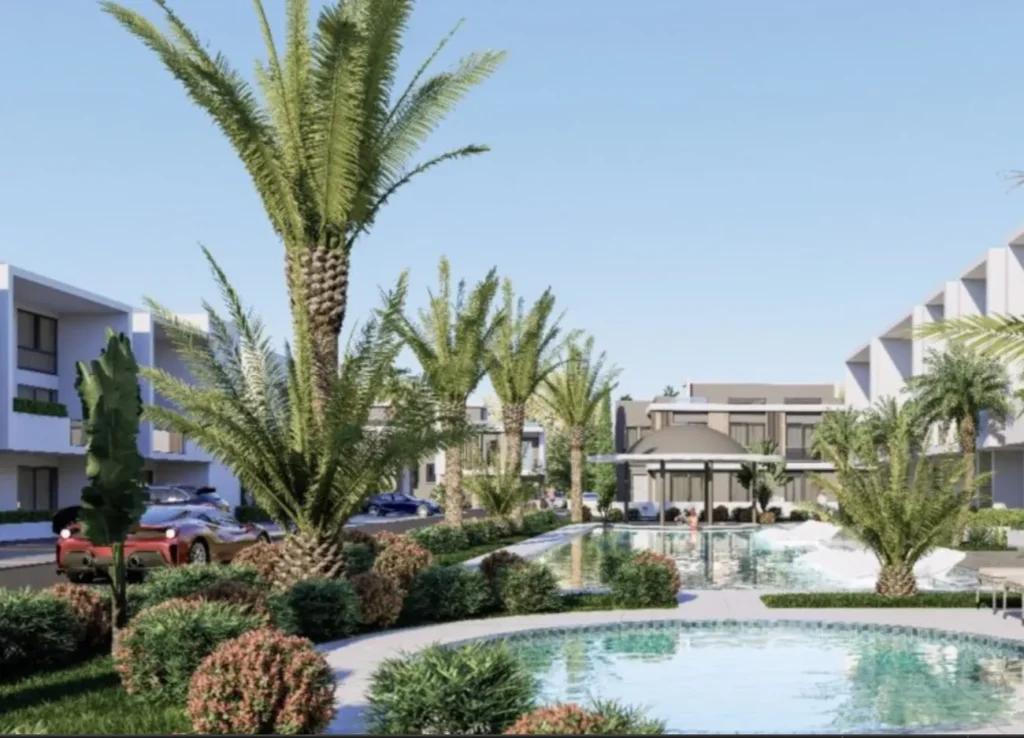

 Iskele
 from On requestм²
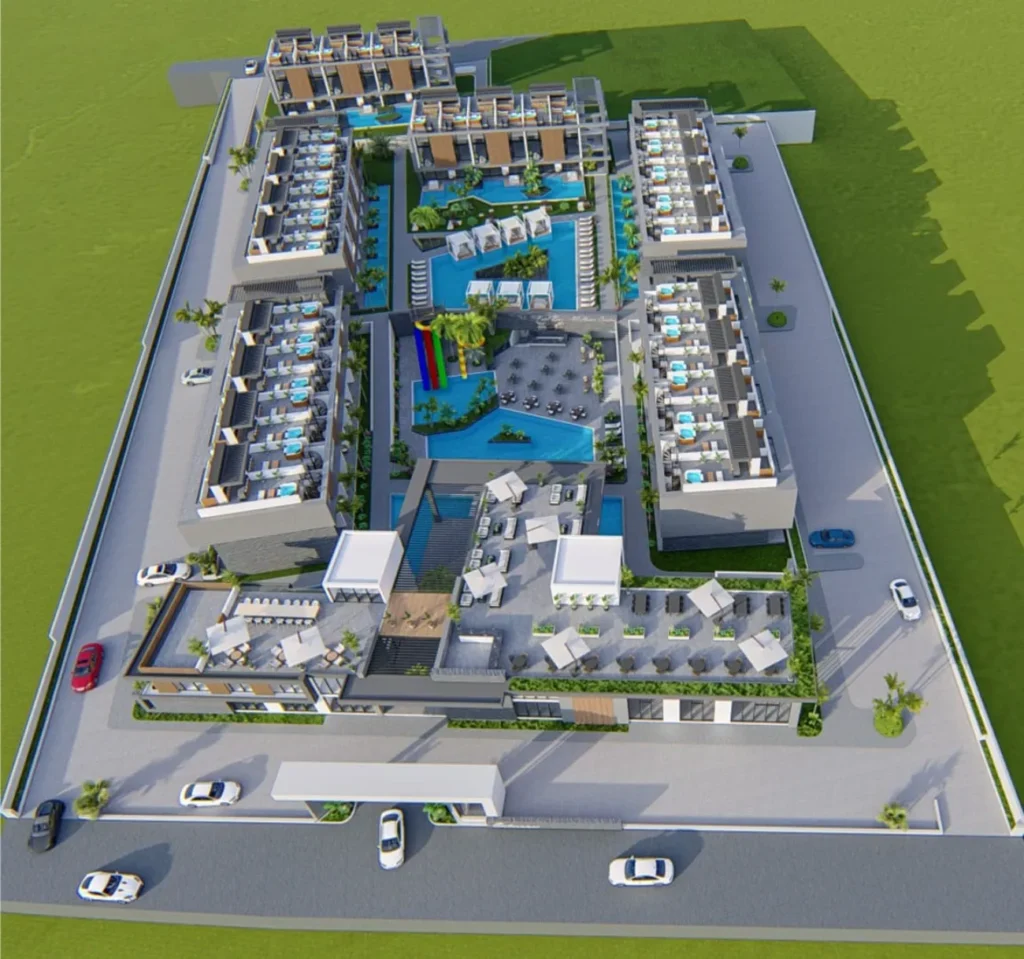 Iskelefrom 70м²
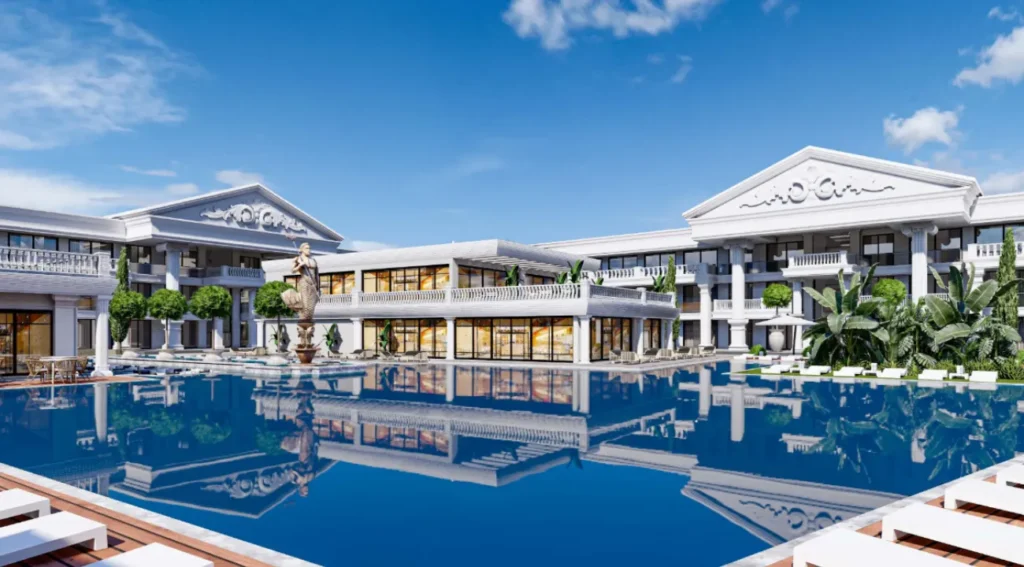 Yenibogazichifrom 35м²
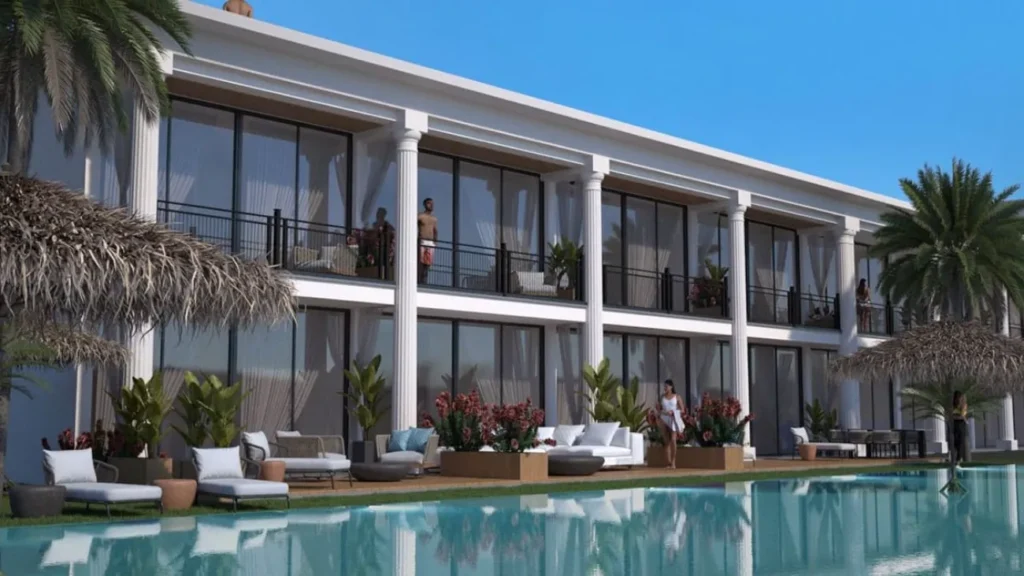 Tatlisufrom 35м²
Purchasing real estate in Karpasia requires strict adherence to the procedures established by the Turkish Republic of Northern Cyprus (TRNC). Below is a formalized, step-by-step roadmap—from selecting a property and registering the purchase agreement to obtaining Permission to Purchase (PTP) and finalizing title transfer under TRNC law. Legal regulations are published in the Official Gazette of the TRNC. Land administration falls under the TRNC Ministry of the Interior, while matters of long-term residency are handled by the TRNC Immigration Office.
Critically Important: Registering the purchase agreement with the district land office within 21 days of signing and paying the 0.5% stamp duty legally protects the buyer against resale or encumbrance of the property without their knowledge or consent.
Quick Transaction Roadmap (Step-by-Step Purchase Process)
| Step | Action | Estimated Timeframe | Key Payments |
|---|---|---|---|
| Step 1 | Select a property and reserve it with a deposit | 1–7 days | Reservation deposit: €1,000–€5,000 |
| Step 2 | Due diligence, contract drafting, register with land office | 3–14 days | Stamp duty (0.5%), legal fees: €1,500–€2,500 |
| Step 3 | Payment schedule (new build) or final settlement (resale) | Per contract | Down payment: typically 30% (new build) |
| Step 4 | Submit Permission to Purchase (PTP) application | 6–12 months | Admin/processing fees: €50–€150 |
| Step 5 | Title deed transfer into buyer’s name | 1–4 weeks | Transfer tax up to 6%, VAT 5% (new build) |
| Step 6 | Utility connections, municipal registrations | 3–14 days | Deposits/fees: €300–€1,500+ |
Step 1: Choosing a Property and Reserving It
- Visit the property in person or conduct a virtual viewing. Sign a reservation or offer form outlining key terms.
- In Karpasia (e.g., Bafra, Dipkarpaz), typical deposits range from €1,000 to €5,000. The reservation document must clearly state the reservation period and refund conditions.
- For off-plan or new developments, verify the current construction status, valid building permits, and phased handover schedule.
Safety Tip: Before paying a deposit, request key ownership documents and a preliminary title deed extract from the seller or developer so your lawyer can perform an initial review.
Step 2: Legal Due Diligence and Contract Signing
- Appoint a local attorney—this is standard practice in Northern Cyprus property transactions.
- Your lawyer should verify the type of title deed, boundary lines, encumbrances, and planning permissions.
- Draft and sign a full purchase agreement, specifying the purchase price, payment terms, technical specifications, handover deadlines, and warranties.
- The contract must be registered with the district land office within 21 days, and you must pay a 0.5% stamp duty based on the declared contract price. These procedures are administered by the TRNC Ministry of the Interior, with legal updates available in the Official Gazette.
Example (Property Price: €150,000):
- Stamp duty: €750
- Legal fees: €1,500–€2,000
- Translation and notarization: €150–€300
Legal Protection: A registered contract prevents the seller from reselling or mortgaging the property without your knowledge until the title is transferred.
Step 3: Payment Schedule and Settlement
- For new builds: A common model involves paying 30% at contract signing and registration, followed by staged payments tied to construction progress. The final payment is made upon key handover or issuance of the occupancy certificate.
- For resale properties: Typically, full settlement occurs at the handover or at title transfer, as specified in the contract.
- Most transactions are priced in GBP; for budgeting purposes, convert to euros and include exchange rates and currency conversion terms in the contract.
- All payments should be made via the lawyer’s escrow account, with clearly defined triggers (e.g., contract registration, project milestones, certificate issuance).
Step 4: Applying for Permission to Purchase (PTP)
- Once the contract is registered, the buyer must apply for Permission to Purchase—individual approval from the TRNC Council of Ministers.
- The application typically includes:
- Copy of passport
- Police clearance certificate
- Proof of financial means
- Signed purchase contract
- Cadastral information and completed application forms
- Processing time: Approximately 6–12 months. During this period, you are usually allowed to use the property under the terms of the contract (if specified). Regulatory information is published by the Ministry of the Interior and in the Official Gazette.
Note: Submitting a complete and properly prepared application helps expedite PTP approval. Errors or location-based restrictions can lead to delays or rejection.
Step 5: Title Deed Transfer
- Once PTP is granted, the title can be formally transferred to the buyer at the land registry.
- At this stage, you will need to pay:
- Title transfer tax: up to 6% of the declared value (discounts may apply for first-time purchases, depending on current legislation)
- VAT of 5% (if purchasing a new property), typically due upon key handover or occupancy certificate issuance
- After final settlement, you will receive the original title deed and updated cadastral records.
Example (Property Price: €150,000):
- VAT (new build): €7,500
- Transfer tax (up to 6%): up to €9,000
- Utility/municipal fees: €300–€1,500+
Timing Tip: Once PTP is issued, it’s recommended to complete the title transfer within a few months. Delays may require updated approvals or additional fees under revised rates.
Step 6: Post-Purchase Tasks and Utility Connections
- Register with the local municipality for services such as waste disposal and water.
- Set up utility accounts for electricity and water—expected deposits range from €300–€1,500+, depending on location and infrastructure.
- Arrange for internet connection (ADSL or fiber); fiber-optic service is often available in new developments.
- If you plan to live in the property, research eligibility and application steps for a residency permit based on property ownership via the TRNC Immigration Office.
Financial Planning Tip: In addition to the purchase price, factor in legal and fiscal costs—typically an additional 8–15%, depending on whether the property is new or resale, and based on title type and municipal rates.
Sample Cost Breakdown (New Build, €150,000 Property)
- Reservation deposit: €1,000–€5,000 (deducted from total price)
- Stamp duty (0.5%): €750
- Legal fees: €1,500–€2,000
- Translation, notarization, and registry extracts: €150–€300
- VAT (5%): €7,500
- Title transfer tax (up to 6%): up to €9,000
- Utility setup and municipal registrations: €300–€1,500+
Legal Verification: Double-check all tax rates and fee schedules with your lawyer and refer to official sources such as the TRNC Official Gazette and the Ministry of the Interior before making any payments.
Timeline and Fast-Track Options: How Long Does It Take to Buy Property in Karpasia?
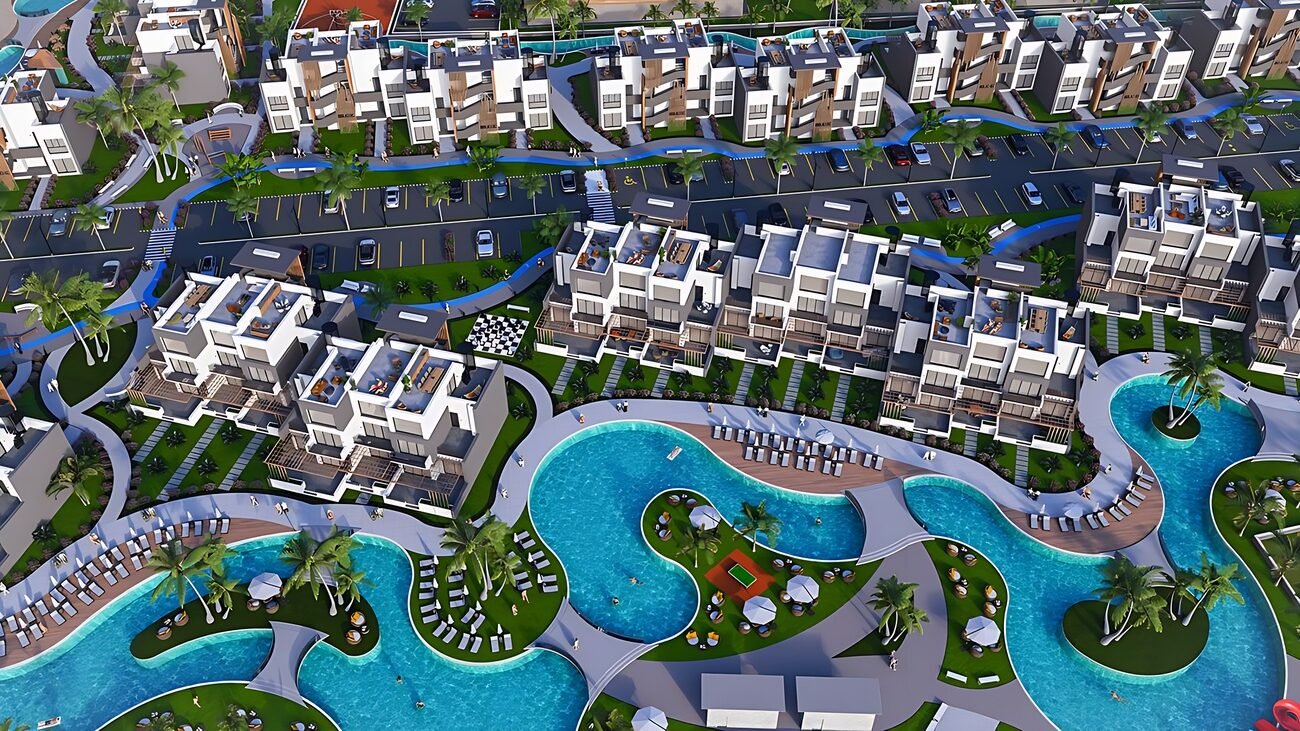
A standard real estate purchase on the Karpas Peninsula (Karpasia) follows a multi-stage process: the initial steps—property selection, legal due diligence, and contract registration—can be completed relatively quickly. The longest stage is the waiting period for Permission to Purchase (PTP) from the TRNC Council of Ministers. Legal procedures and timeframes are established by TRNC legislation and published in the Official Gazette of the TRNC; land-related matters are overseen by the TRNC Ministry of the Interior.
Key Timeframes:
- The purchase contract must be registered with the Land Registry within 21 days, along with payment of the 0.5% stamp duty.
- The PTP waiting period typically takes 6–12 months.
- There is no official expedited service for PTP. Faster outcomes depend on properly prepared documentation, a legally “clean” property, and location outside of restricted zones.
Stage-by-Stage Timeline Comparison
| Stage | Average Duration | Factors That Influence Timeframe |
|---|---|---|
| Property selection and reservation | 1–7 days | Availability of viewable listings; speed of negotiations |
| Legal due diligence and contract | 3–14 days | Completeness of seller’s documents; lawyer availability |
| Contract registration | 1–3 days | Responsiveness of parties; stamp duty payment |
| Payment schedule / settlement | As per contract | Construction stages; readiness for handover |
| Permission to Purchase (PTP) | 6–12 months | Location restrictions, document accuracy, seasonal government workload |
| Title transfer to buyer | 1–4 weeks | Tax payment; cadastral record readiness |
| Utility setup and registrations | 3–14 days | Municipal regulations; site infrastructure |
Legal Note: Timely contract registration is mandatory to secure your rights. Legal updates and procedural changes are published in the Official Gazette, with further guidance available on the Ministry of the Interior’s website.
What Can Actually Speed Up the Process?
- Submitting a complete and accurate PTP application from the outset: This includes correct personal data, a clean criminal record, proof of funds, current site plans, and cadastral documents. Missing or incorrect documentation is a common cause of delays.
- Selecting a property with a clean title—such as Pre-74 Turkish or Pre-74 Foreign deeds, or a verified Exchange deed—located outside military zones or restricted development areas can significantly reduce review time.
- Being prepared for a remote transaction: A notarized power of attorney and certified translations allow your lawyer to register the contract and submit the PTP application without your physical presence, saving 1–2 weeks of logistical coordination.
- Purchasing a unit with an individual title deed (“individual koçan”) in a completed development enables quicker title transfer post-PTP. In contrast, off-plan projects often require additional time for land subdivision and title issuance.
Alternative Ownership Structures: Pros, Cons, and Considerations
- Purchasing shares in the company that owns the property: In some cases, acquiring the owning entity gives immediate control and use of the asset.
- Pros: Quick access to the property; flexible payment terms.
- Cons: Title still needs to be transferred to an individual in the future; thorough legal audit of the company is essential (check debts, tax status, contracts).
- Estimated Costs: Legal audit and deal structuring: €2,500–€5,000+; company registration updates: €300–€800.
- Long-term lease (leasehold) with a future purchase option: May allow you to move in immediately under a rental agreement while waiting for PTP.
- Pros: Instant use of the property (as per contract terms).
- Cons: Does not replace title ownership; eventual title transfer will still require a formal transaction and costs.
- Setting up a local company to hold multiple properties or land parcels: Suitable for investment portfolios, but does not eliminate the requirement for permissions and entails annual maintenance costs.
- Setup and admin costs: €2,000–€4,000 upfront; €800–€1,500 annually.
Important: For individuals, PTP remains mandatory. While these alternative structures may provide early access, they do not replace the legal requirement for title transfer through the TRNC Ministry of the Interior.
Common Delays and How to Avoid Them
- Incomplete PTP applications: Ask your lawyer for a full checklist in advance. Complete all translations and notarizations before contract signing.
- Property in a restricted zone: Verify zoning status and proximity to protected or military areas before paying a deposit.
- No individual title deed: For new builds, allow time for final subdivision and issuance of individual deeds (koçans).
- Seasonal government backlogs: Avoid submitting applications during peak holiday periods; plan for administrative lead time.
- Payment issues: Agree on currency, exchange rates, and payment triggers ahead of time; use a legal escrow account for all transfers.
Example Purchase Timeline (Realistic Scenario)
- Weeks 1–2: Property selection, legal checks, contract signing, and registration (stamp duty = 0.5%; for a €160,000 property, this is €800).
- Weeks 3–4: Submit PTP application (admin fees: €50–€150).
- Months 2–8: Await PTP decision. If allowed by contract, you may use the property during this period. Alternatively, consider short-term rental: €450–€700/month for a 1-bedroom unit in Bafra during off-season.
- Month 9: Pay transfer tax (up to 6% of title price) and, if applicable, 5% VAT. Title transfer takes 1–3 weeks.
- Weeks 40–42: Set up utilities (€300–€1,500+), finalize handover (if not already completed).
Total Timeframe: The transactional portion can be completed in 2–4 weeks, but the PTP approval is the bottleneck at 6–12 months. Plan your relocation and budget with this window in mind, and monitor any legal updates in the Official Gazette.
How Much Does It Cost to Buy Property in Karpasia? Taxes and Additional Expenses
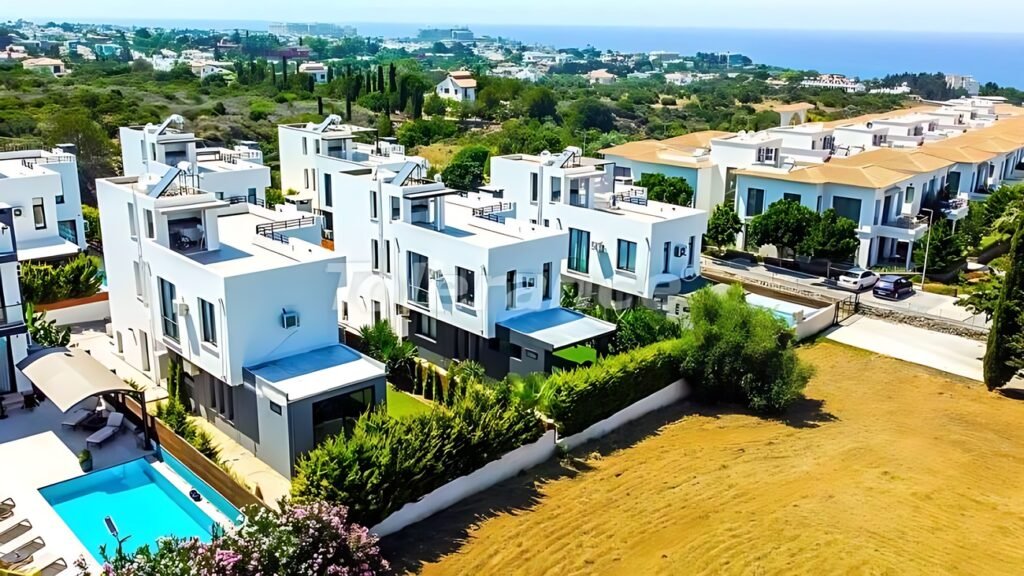
When planning a property purchase, it’s essential to understand the full scope of costs—from mandatory taxes and stamp duties to utility connections and ongoing maintenance fees. Below is a consolidated overview tailored to Karpasia (including Bafra, Dipkarpaz, and surrounding areas), with sample figures in euros and reference points aligned with TRNC regulations. All official legislation on taxation, registration procedures, and current rates is published in the Official Gazette of the TRNC. Land administration and registration processes are overseen by the TRNC Ministry of the Interior.
Important: For new-build (primary market) properties, VAT (KDV) is typically 5%. No VAT applies to resale (secondary market) properties.
The stamp duty of 0.5% is payable upon contract registration.
Title transfer tax may reach up to 6%, though reduced rates may apply for first-time buyers. Always consult your lawyer and refer to official publications in the TRNC Official Gazette for current rates.
Mandatory Taxes and Fees on Purchase
| Item | Rate / Estimate | When Payable | Notes / Payee |
|---|---|---|---|
| TRNC Stamp Duty | 0.5% of contract price | Within 21 days of contract signing | Payable to the Land Registry; secures legal status and blocks resale |
| VAT (KDV) – New-Build Properties | 5% of purchase price | At key handover / occupancy cert. | Paid by developer to the government; rate depends on project status |
| Title Transfer Tax | Up to 6% | Before deed is issued to buyer | Paid to Land Registry; discounts may apply for first-time buyers |
| Legal Services | €1,500–€2,500 | In stages | Includes due diligence, contract, registration, and PTP application |
| Translations, Certifications, Extracts | €150–€300 | Pre- and post-contract | Covers certified translations, apostilles, cadastral plans |
| Municipal and Utility Setup Fees | €300–€1,500+ | Post-handover | Deposits for electricity/water, connection fees, and local charges |
| Survey / Inspection (optional) | €200–€500 | Before major payments | Independent condition and valuation checks |
Legal Requirement: Contract registration within 21 days and payment of the 0.5% stamp duty is mandatory. These procedures are governed by the TRNC Ministry of the Interior and published in the TRNC Official Gazette.
How Much Should You Budget Beyond the Purchase Price?
| Cost Category | New-Build Property (€150,000) | Resale Property (€150,000) |
|---|---|---|
| Stamp Duty (0.5%) | €750 | €750 |
| VAT (5%) | €7,500 | — |
| Title Transfer Tax (up to 6%) | up to €9,000 | up to €9,000 |
| Legal Fees, Translations, Extracts | €1,700–€2,800 | €1,700–€2,800 |
| Utility Deposits / Connections | €300–€1,500+ | €300–€1,500+ |
| Total Additional Costs (est.) | ≈ €10,250–€20,800+ | ≈ €11,750–€14,050+ |
Estimated range:
- New-build: additional +8–15% of the property price
- Resale: additional +6–10%, depending on title type, tax exemptions, local municipality, and service options
Ongoing Utility and Operational Costs After Purchase
| Expense Item | Range (€) | Frequency / Notes |
|---|---|---|
| Annual Property Tax / Municipal Fee | €20–€100+ | Based on size and location |
| Utility Deposits (electric/water) | €150–€500 | One-time setup at connection |
| Internet Setup / Activation | €20–€100 | One-time; monthly fees: €15–€25 |
| Complex Maintenance (if applicable) | €40–€120/month | Covers security, pool, shared areas, landscaping |
| Home Insurance (optional) | €80–€200/year | Covers fire, water damage, liability, etc. |
Note: Some developments charge a one-time infrastructure or transformer fee—often €1,000–€3,500. Confirm this in the technical specifications or with the property management company.
Commonly Overlooked Costs
- Bank transfer fees and currency conversion charges: €50–€300 depending on bank and transfer method
- Furniture and appliances (if not included): €3,000–€10,000 for a 1–2-bedroom apartment
- Independent valuation or technical audit: €200–€600 — helps avoid overpayment and identifies defects
- Land Registry administrative fees: €10–€50 in addition to stamp duty
- PTP application expenses: €50–€150 for supporting documents and forms, submitted via the TRNC Ministry of the Interior
Legal Note: Rates and regulations are subject to change by decree, and updates are published in the TRNC Official Gazette. It is advisable to include a 2–3% contingency buffer in your budget to cover currency fluctuations and procedural updates.
How to Lock in Costs and Minimize Unexpected Charges
- Fix the contract currency and exchange rate: If pricing is in GBP and you plan to pay in euros, clearly define conversion mechanics and rate-lock clauses.
- Request a full specification sheet: This should outline what’s included (fixtures, infrastructure, utility connection fees, warranties) and be annexed to your contract.
- Verify eligibility for title tax reductions: First-time buyers may qualify for partial exemptions. Also confirm that the 5% VAT rate applies, which depends on the property’s residential status.
- Use a lawyer-managed escrow account: Link payment triggers to key milestones—contract registration, construction phases, occupancy certification, and title transfer.
Bottom Line: The true cost of purchasing property in Karpasia is the listed price plus an additional 6–15% in statutory and service-related expenses. Monitor current VAT, stamp duty, and title tax rates through the TRNC Official Gazette and seek legal clarification via the TRNC Ministry of the Interior.
Buyer Tips: How to Invest Safely in Karpasia
Investing in Karpasia requires discipline with documentation, careful financial planning, and a solid understanding of the local procedures established by the Turkish Republic of Northern Cyprus (TRNC). Below is a practical checklist designed to minimize the risks of purchasing property in Northern Cyprus and to help you secure a fixed final cost. Regulatory updates and legal procedures are published in the Official Gazette of the TRNC. Land matters are overseen by the Ministry of the Interior, while residency and immigration policies are managed through the TRNC Immigration Service portal.
Core safety principle: Work with a specialized lawyer, register your sales contract within 21 days by paying the 0.5% stamp duty, and submit your application for a Permission to Purchase (PTP). Only then should you proceed with securing your TRNC title deed.
Pre-Purchase Checklist
- Verify the title type (Pre-74 Turkish/Foreign, Exchange, or TMD) and plot history: request up-to-date extracts from the Land Registry and ensure there are no mortgages or legal encumbrances.
- Confirm zoning and permits: land category, build coefficient, construction permits, and occupancy certificates should match the actual layout.
- Define the contract terms and price: attach floor plans, finish specifications, parking/storage inclusions, delivery timelines. If pricing is in GBP but your budget is in EUR, agree on a fixed exchange mechanism.
- Reserve the property properly: Pay the €1,000–€5,000 deposit via a lawyer-managed escrow account. The reservation form should clearly state timelines and refund conditions.
- Register the contract within 21 days: Pay the 0.5% stamp duty and obtain registration confirmation from the Land Registry (this blocks unauthorized resale).
- Submit your PTP application with a complete file: passport, clean criminal record, proof of funds, sales contract, and cadastral details. Processing time: 6–12 months.
- Review all tax obligations: VAT (typically 5% on new builds), title transfer tax (up to 6%, with potential exemptions for first-time buyers), and any municipal fees.
- Anticipate post-purchase expenses: utility deposits €150–€500, internet installation €20–€100, complex fees €40–€120/month, insurance €80–€200/year.
- Budget for a contingency of +6–15% above the property price to cover taxes, professional services, and connections—especially for new developments.
- Consider your residency plans: Review the eligibility criteria and application procedures for property-based residence permits at the TRNC Immigration Portal.
Investor Budget Snapshot
| Item | Estimate (€) | Notes |
|---|---|---|
| Legal fees (due diligence, contract, reg., PTP) | €1,500–€2,500 | Varies with title complexity and developer type |
| Stamp duty (0.5%) | €500 (based on €100,000) | Payable within 21 days of signing |
| VAT (5% on new builds) | €7,500 (on €150,000) | Due at key handover or occupancy certificate |
| Title transfer tax (up to 6%) | Up to €9,000 | Exemptions may apply for first-time buyers |
| Utility deposits and connection fees | €300–€1,500+ | Varies by network and municipality |
| Independent valuation / inspection | €200–€600 | Recommended before any large payment |
Budget control tip: Clearly specify the pricing currency and exchange terms in the contract. Include all infrastructure-related fees (e.g., transformer charges of €1,000–€3,500) and define a payment schedule tied to construction milestones.
Documents and Legal Milestones
- Sales contract: Must outline price, specs, deadlines, penalties, and warranty terms for structural and engineering systems.
- Cadastral data: Include property/plot layout, boundary details, encumbrances, and zoning compliance.
- Payment receipts: For the 0.5% stamp duty, VAT (if applicable), title transfer tax, and local municipal fees.
- Contract registration: Must be filed with the district Land Registry within 21 days; administered by the TRNC Ministry of the Interior.
- PTP application: Requires a complete file including a clean criminal record certificate. Regulatory updates are published in the Official Gazette of the TRNC.
Reducing Risks and Maximizing Returns
- Use escrow via your lawyer: Disburse funds in tranches based on clear triggers—contract registration, construction milestones, occupancy certification, and title transfer.
- Vet the developer: Review their past projects, delivery timelines, build quality, client reviews, and track record for issuing individual title deeds.
- Rental scenario planning: A seafront 1+1 unit can fetch €60–€100/night in peak summer (June–September); off-season monthly rents range from €450–€700. Realistic gross yields fall between 4–7% annually.
- Get insured: Fire/water damage and liability policies cost €80–€200/year and can help cover unexpected expenses.
- Prioritize location and access: Proximity to beaches, Karpaz Gate Marina, parking, and main roads directly impacts liquidity and rental rates.
- Track legal changes: Reforms in early registration rules, tax rates, and incentives are published in the Official Gazette of the TRNC; consult before making key payments.
Final word for investors: A safe acquisition means comprehensive title due diligence, timely contract registration, a full PTP application, and a transparent, trigger-based payment schedule through escrow. Always factor in +6–15% above the purchase price for associated costs, and formalize any contract changes in writing.
Investment Potential and Market Outlook in Karpasia
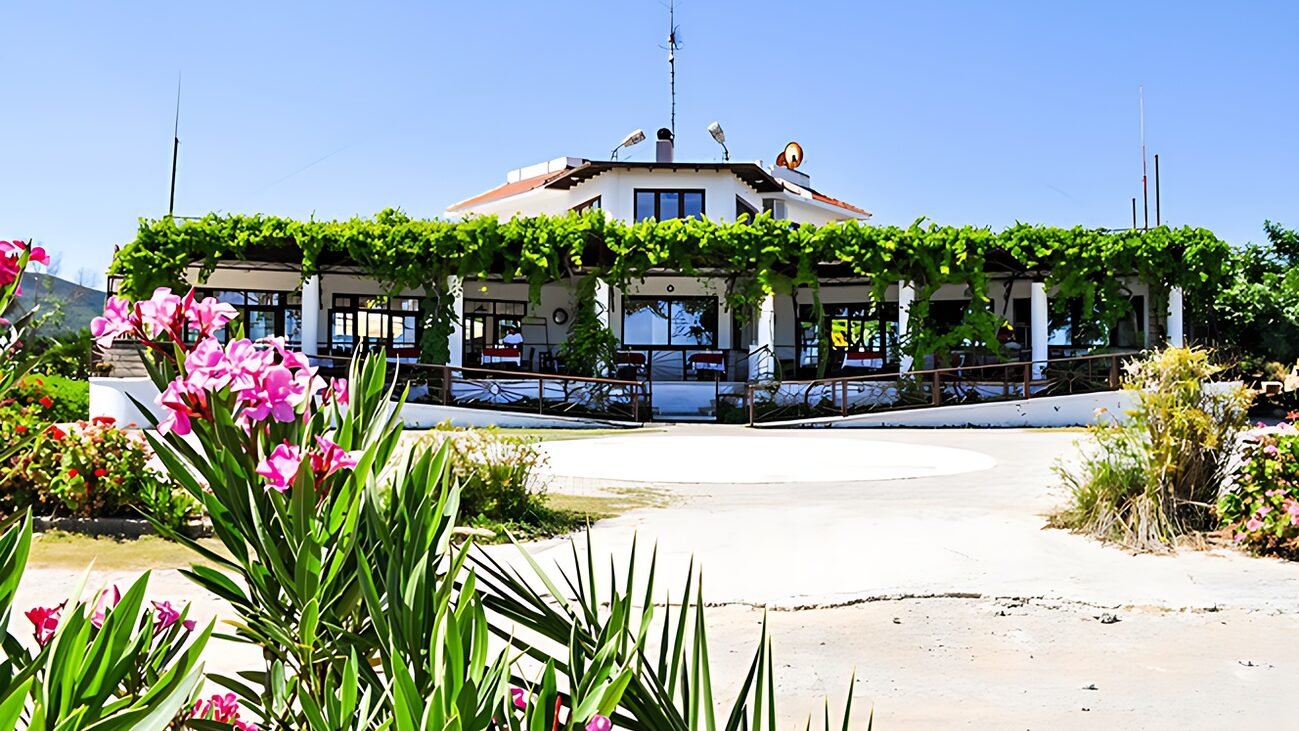
Karpasia is a niche market characterized by limited supply, strict environmental regulations, and low-density development. Large-scale high-rise projects are not part of the region’s future: the area is evolving through targeted, small-scale developments—low-rise villas, boutique hotels, and apartment complexes near the marina. Major resort investments are concentrated in the tourist zone of Bafra (at the base of the peninsula) and the neighboring Iskele (Long Beach), shaping distinct investment models: inland Karpasia offers rare, long-hold assets with seasonal rental potential, while Bafra and Iskele present opportunities for capital appreciation during construction and more straightforward resale.
Key Insight: Much of the Karpas Peninsula coastline falls under strict land-use and environmental protection regimes. Changes in zoning and building regulations are published in the Official Gazette of the TRNC, with urban planning procedures administered by the Ministry of Interior of the TRNC. These controls limit high-density development and preserve the area’s unique character.
Market Drivers: What Sustains Prices
- Limited new supply inland creates scarcity value, particularly for properties with views or beachfront locations.
- Yachting tourism and the Karpaz Gate Marina ensure steady seasonal demand for short-term rentals.
- The expanding tourism hub in Bafra (Kaya Artemis, Limak, Noah’s Ark, and others) drives demand for rentals and serviced apartments for both visitors and staff.
- Investor interest is increasingly shifting to “green” locations, where demand for tranquil, eco-friendly settings fuels appetite for small villas and townhouses.
What’s Being Built—and Where: A Candid Overview
- Inland Karpasia (Dipkarpaz and the northeast): boutique projects, low-rise villas, small apartment developments, and eco-hotel conversions. There are no plans for mass high-rise or district-wide development.
- Bafra (tourism zone at the peninsula’s base): operational and under-construction resort complexes, beachfront apartments, and infrastructure upgrades.
- Iskele (Long Beach): a dynamic hub of new construction, offering a broad range of layouts and well-developed tourism and street infrastructure.
Bottom Line: If your goal is to invest early in construction and benefit from value appreciation, Bafra and Iskele offer the most clarity. If you’re seeking exclusivity, views, and privacy, real estate in Karpasia remains a niche yet resilient asset class.
Location Comparison: Karpasia vs Bafra vs Iskele (Long Beach)
| Parameter | Karpasia (Dipkarpaz & surrounds) | Bafra (Tourism Zone) | Iskele (Long Beach) |
|---|---|---|---|
| Property Type | Villas, low-rise apartments, boutique hotels | Resort complexes, beachfront apartments | Multi-phase developments, apartments, residences |
| Development Pace | Low (selective projects) | Medium–high | High |
| Entry Range | €120,000–€450,000+ | €100,000–€300,000+ | €110,000–€280,000+ |
| Income Model | Seasonal rentals, eco-premium | Seasonal/year-round rentals | Year-round/seasonal with large tenant pool |
| Liquidity | Medium to low | Medium | Medium to high |
| Risk Profile | Zoning and coastal use restrictions, seasonality | Dependent on resort traffic | Developer risk, potential oversupply |
Rental Income Potential: Benchmarks
- Karpasia (Eco-villa, 2–3 bedrooms): Purchase range €220,000–€380,000; summer ADR €120–€180/night, 45–60% occupancy from June to September; low off-season traffic. Estimated gross yield: 4–6% annually with strong pricing and management.
- Bafra (1+1 beachfront): Entry €110,000–€160,000; summer ADR €70–€110/night, 80–100 peak nights plus off-season monthly rentals at €450–€700. Gross yield: 5–7%.
- Iskele (1+1 or 2+1): Entry from €120,000–€200,000; high year-round demand. Gross yield: 5–8%, depending on project and management.
Note: Yield estimates are gross, excluding VAT (on primary market purchases), title transfer tax, and property management costs. Actual return will vary based on occupancy, platform commissions, utilities, and property condition.
Risks and Constraints to Be Aware Of
- Zoning and protected land: Portions of the coastline are subject to environmental and land-use restrictions. Current regulations are published in the Official Gazette of the TRNC and overseen by the Ministry of Interior.
- Seasonality: Rental demand is heavily skewed toward summer months; off-season occupancy is inconsistent.
- Liquidity: Properties in Karpasia typically take longer to sell than those in Kyrenia or Iskele. Exit pricing is sensitive to sea views and walkable beach access.
- Developer risk (Bafra/Iskele): Always assess the developer’s track record—delivered phases, title status of completed buildings, and overall project credibility.
- Infrastructure contributions: Some locations may require additional fees (e.g., transformer/infrastructure charges of €1,000–€3,500).
Who Should Consider Investing in Karpasia
- Investors prioritizing scarcity, nature, and long-term value, and comfortable with seasonal income and long holding periods.
- Yacht owners or professionals offering premium short-term rentals near the marina.
- Buyers seeking personal use, vacation homes, or seasonal rental opportunities.
Practical Investment Scenarios (Simplified Models)
- Eco-villa at €300,000: ADR €150, 100 peak nights + 30 off-season nights at €90 = €18,700 gross/year. After 20–30% operating costs → 4.3–5.0% net before taxes.
- 1+1 in Bafra at €140,000: ADR €85, 90 peak nights = €7,650; plus 6 months at €550/month = €3,300. Gross income €10,950 → 6–7% pre-operating costs.
Investment Strategy: For conservative investors targeting income, consider new developments in Bafra or Iskele. For those seeking nature and long-term capital appreciation, niche properties in Karpasia with verified title and sea views offer enduring value.
Final Takeaways
- Karpasia offers a niche market of rare properties with lasting appeal, bolstered by strict development limits and natural surroundings.
- There are no large-scale construction plans inland; price growth is driven by scarcity and location premiums.
- For development-driven appreciation or easier resale, consider new builds in neighboring Bafra or Iskele (Long Beach), where entry-level 1+1 units start from €110,000–€160,000.
- Always verify land-use regulations, building permissions, and title status through the Official Gazette and TRNC Ministry of Interior before signing a contract.
Case Study: Buying Property in Karpas – A Real-Life Experience
Client Request and Initial Brief
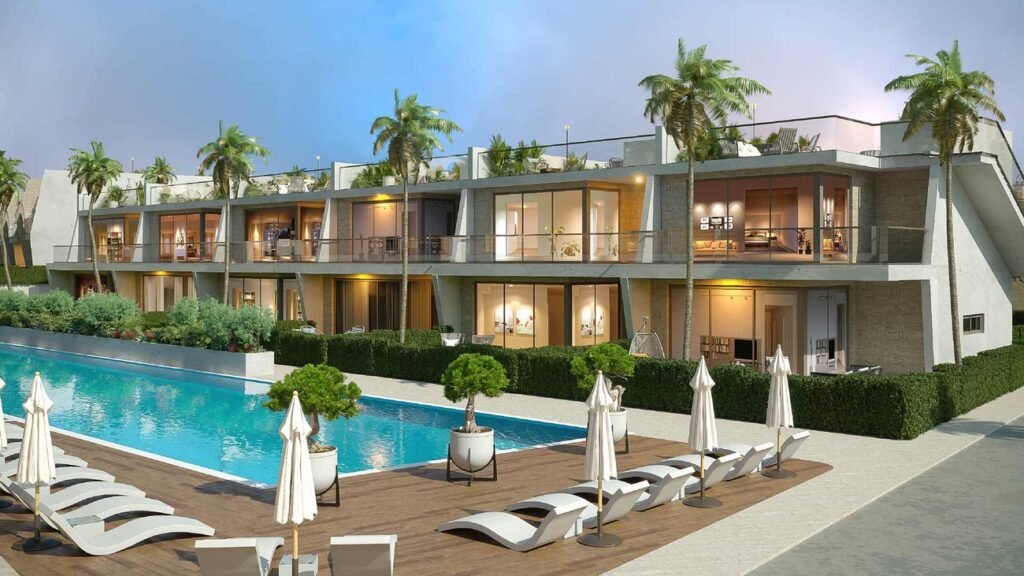
In May 2025, we were approached by a family seeking a property for seasonal living and rental income. Their objective: to purchase a property inland in the Karpasia region, ideally near Dipkarpaz (Rizokarpaso), preferably close to the sea. The budget was up to €250,000, with a target gross rental yield of 5–7% per year. They also prioritized immediate access to the property and a clear path to obtaining a TRNC title deed.
Important Market Context:
As of 2024–2025, no large-scale residential developments are underway in Dipkarpaz and the northeastern peninsula. Existing formats include standalone villas, boutique apartments, and property reconversions—meaning limited options for off-plan investments and heightened exposure to seasonality. Regulatory changes regarding land use and building permits are published in the Official Gazette of the TRNC and overseen by the Ministry of the Interior.
Option Analysis and Location Recommendation
We proposed two alternative clusters with active development and higher anticipated liquidity:
- Bafra (a tourist district at the base of the peninsula): approximately 50–65 km from Dipkarpaz (50–70 minutes by car), with resort-style beachfront complexes and strong seasonal rental potential.
- Iskele (Long Beach): around 70–80 km from Dipkarpaz (60–75 minutes by car), offering a wide selection of new developments, ready infrastructure, and a large pool of tenants.
After evaluating rental potential, construction pace, and service quality, the client selected Iskele (Long Beach) as their primary location, with plans to visit Karpas regularly on weekends.
Final Decision: New Development in Iskele (Long Beach)
- Property: 1+1 apartment, 52 m² + terrace, 600 meters from the beach, 8th floor with partial sea view
- Purchase Price: €145,000 (launch phase of a new development)
- Terms: 30% upon signing, 24-month interest-free installment plan; €2,000 reservation deposit
- Completion Date: Q4 2026
- Legal Process: Sales contract registered with the district Land Registry within 21 days (0.5% stamp duty); application for Permission to Purchase (PTP) submitted in accordance with regulations by the Ministry of the Interior, with procedures published in the Official Gazette
Critical Buyer Protection:
Registering the sales contract within 21 days and applying for PTP are mandatory steps. Before PTP approval, the buyer can use the property under the terms of the contract (if stipulated). The TRNC title deed is transferred only after PTP is granted and the title transfer tax is paid.
Deal Economics: Cost Structure and Income Forecast
| Item | Amount (€) | Notes |
|---|---|---|
| Property Price | €145,000 | At construction stage |
| Stamp Duty (0.5%) | €725 | Payable upon contract registration |
| Legal Fees (due diligence, contract, registration, PTP) | €1,800 | Market average |
| Translation and Documents | €200 | Notarial and cadastral paperwork |
| VAT (5%, new build) | €7,250 | Due upon key handover |
| Title Transfer Tax (up to 6%) | up to €8,700 | Potential reductions for first-time buyers |
| Utility Deposits/Connections | €300–€1,500 | Electricity, water, internet |
| Furniture & Appliances Package | €6,000–€7,500 | For rental readiness |
| Total Additional Costs | ≈ €16,275–€20,475 | Excluding potential incentives |
Rental Forecast (Conservative Scenario):
- Summer: ADR €80–€95, 90 nights → €7,200–€8,550
- Off-season: Monthly rent €500–€650, 5 months → €2,500–€3,250
- Gross Annual Income: €9,700–€11,800
With estimated operating costs of 20–25%, the expected net pre-tax yield is approximately 4.8–6.5% per year.
Note:
Always confirm current stamp duty, VAT, title transfer tax, and PTP requirements via the Official Gazette and the TRNC Ministry of Interior. Residency and long-stay visa regulations are outlined on the TRNC Immigration Portal.
Implementation Timeline
| Stage | Timing | Status / Result |
|---|---|---|
| Property Selection & Reservation | Week 1 | €2,000 deposit, price secured |
| Contract & Registration | Week 2 | Contract registered with Land Registry; stamp duty paid |
| PTP Application | Week 3 | Full documentation submitted |
| Construction / Installments | Months 2–24 | Payments according to schedule; progress monitored |
| Key Handover | Q4 2026 | VAT (5%) payment; occupancy permit issued |
| Title Transfer | Post-PTP | Title tax paid (up to 6%); title deed (koçan) received |
Case Takeaways and Buyer Insights
- The client’s initial goal to purchase in inland Karpasia faced limitations in availability, delivery timelines, and rental yield due to the absence of large-scale developments and pronounced seasonality.
- Shifting the focus to Iskele (Long Beach)—just over an hour from Dipkarpaz—allowed access to early-stage pricing, installment terms, and a more predictable rental market.
- The legal process followed standard TRNC procedure: contract registration within 21 days, PTP application, and subsequent VAT and title tax payments per official publications.
Key Lesson:
When there are no active developments in your preferred Karpas location, it’s wise to explore neighboring growth clusters like Bafra and Iskele. These offer better entry points, early price locks, and streamlined paths to rental and title acquisition—while still keeping Karpasia’s natural beauty within a 60–75 minute drive.
Summary:
Karpasia is a niche and environmentally significant region in Northern Cyprus, characterized by low-density development and seasonal demand. A secure property purchase here requires thorough due diligence, registration of the sales contract within 21 days (subject to a 0.5% stamp duty), obtaining Permission to Purchase (PTP) — typically within 6–12 months — and finalizing title transfer with a tax of up to 6% (plus 5% VAT for new builds). A realistic estimate for additional purchase-related costs is approximately 6–15% on top of the property price. For those seeking construction-phase gains or reliable rental income, new developments in Bafra and Iskele offer more predictable returns — all while keeping the natural serenity of Karpas within easy reach.
Ready to take the next step?
Submit a request on our website, and our team will contact you to discuss your criteria, send tailored property options, calculate your full investment budget, and organize legal due diligence, contract registration, and the PTP application — all at no initial cost. Whether you’re looking for a tranquil villa in Karpasia or a high-demand beachfront apartment, we’ll match you with the right property for your investment strategy.
 Real estate in Georgia
 Real estate in Montenegro
 Real estate in the UAE
 Real estate in Bali
 Real estate in Thailand
 Real estate in Spain
 Real estate in Saudi Arabia
 Real estate in Turkey
 Real estate in Zanzibar
 +90 533 888 29 50
 hello@cypria.homes
 Karsıyaka Sokak 8, Girne


 Get catalogue of TOP-7 objects