
 +90 533 888 29 50


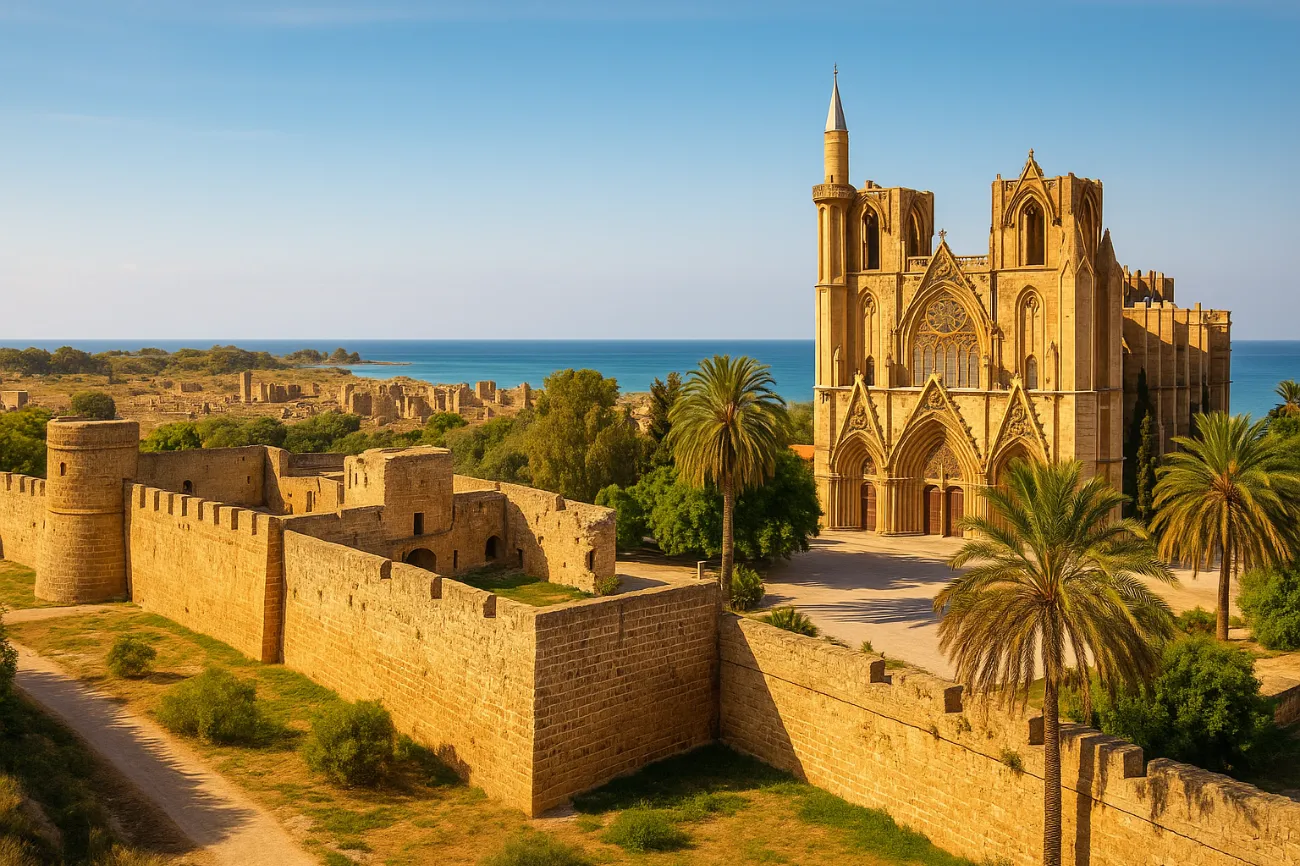

Famagusta is a compact historic city paired with a scenic coastline and beaches, where the best places to visit in Famagusta can easily be combined into a single, logical route. The city works perfectly both for a Famagusta day trip and for a relaxed 2–3-day stay: medieval walls, Othello Castle, the Gothic grandeur of Lala Mustafa Pasha Mosque, the ancient ruins of Salamis Ancient City, the haunting atmosphere of Varosha, the urban sands of Palm Beach, and even a one-day escape to the Cape Greco sea caves.
For future residents and expats, the Famagusta lifestyle is defined by daily walks along the waterfront, short travel times between neighborhoods, and a rich Famagusta sightseeing program that remains engaging throughout the year.
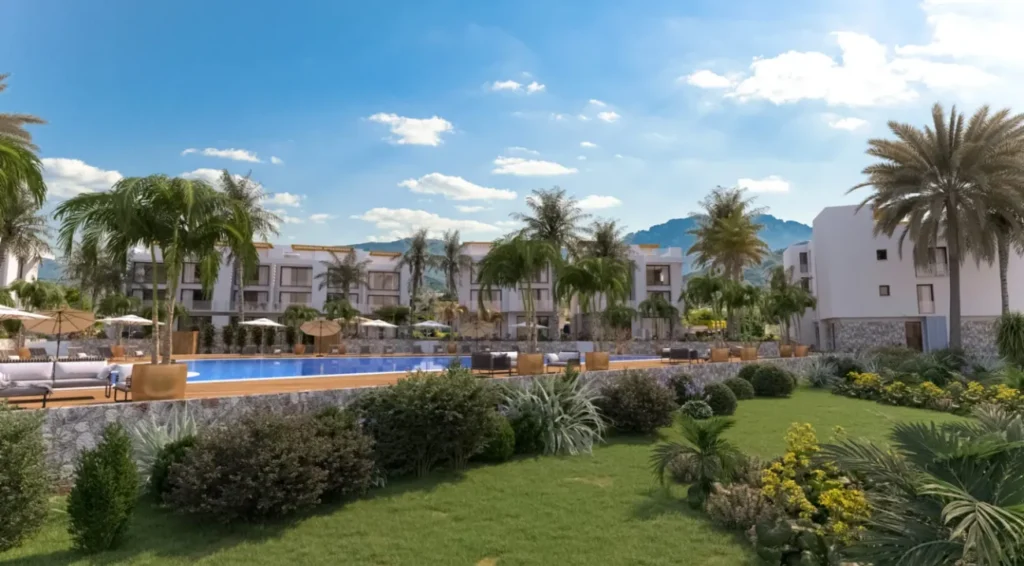

 Famagusta
 from 65м²
Core route idea: link the top attractions in Famagusta into a single loop: Old Town → Othello Castle → Namık Kemal Square → Palm Beach / Varosha → Salamis → waterfront promenade and Harbor. Essential tourist and cultural information is published by the TRNC Ministry of Tourism and the TRNC Ministry of Culture and Antiquities.
Location and how to get there
Famagusta (Gazimağusa) is located on the eastern coast of the island. Getting around within the city usually takes 5–15 minutes by taxi or 15–30 minutes on foot across the historic center.
How to get there:
- From Nicosia or Ercan Airport (ECN): 50–75 minutes by car or intercity transport; taxi fares typically range from $50 to $70 per vehicle.
- From Ayia Napa / Protaras (via the Derinya checkpoint): 20–35 minutes by car; parking is available near the Land Gate and along the waterfront. Local parking updates and city events are published by the Gazimağusa Municipality.
- Within the city: short distances are easiest to cover on foot (Old Town, Harbor, Palm Beach). Taxi rides within the city usually cost $3–8 one way.
Important: in summer, plan outdoor sightseeing for the morning or toward sunset; reserve midday hours for museums and cafés. Current tourist notices and seasonal regulations are posted on the official tourism portal.
What to see
A curated list of things to do in Famagusta and the city’s key Famagusta tourist attractions:
- Famagusta Old Town — Venetian walls, historic squares, and dense Gothic urban fabric.
- Othello Castle Famagusta — bastions, moat, and sweeping views over the harbor.
- Lala Mustafa Pasha Mosque — the island’s most significant Gothic monument and an active mosque.
- Salamis Ancient City — theater, baths, colonnades, and seaside basilicas.
- Varosha Ghost Town — marked walking corridors through the abandoned resort district.
- Palm Beach Famagusta — soft sand with views toward the walls and Varosha.
- Namik Kemal Dungeon — a memorial museum at the heart of Namık Kemal Square.
- Canbulat Museum — a bastion and exhibition dedicated to the 1571 siege.
- Famagusta Harbor — a waterfront promenade with views of the fortress.
- Cape Greco sea caves — dramatic marine caves and coastal trails (ideal for a day trip).
Route tip: build a simple Famagusta itinerary over 1–2 days.
Day 1: Old Town, Othello Castle, Lala Mustafa Pasha Mosque, Harbor.
Day 2: Salamis in the morning, Palm Beach and Varosha in the afternoon, sunset along the waterfront.
1. Famagusta Old Town
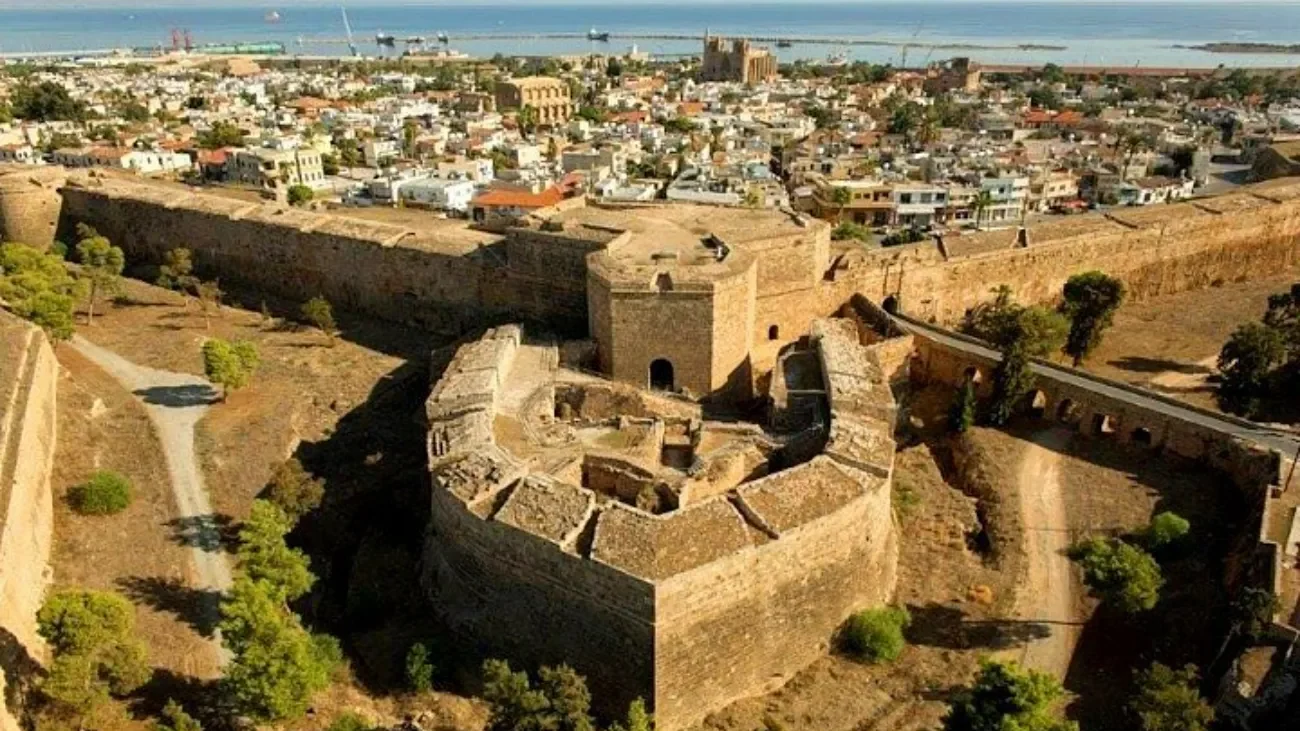
Famagusta Old Town is a compact historic core enclosed within imposing Venetian walls, where the city’s key attractions and the most important Old Town landmarks are concentrated. It is an ideal area for planning Famagusta sightseeing and a walking tour of the city: distances are short, landmarks are easy to navigate, and the main monuments are located within just a few blocks of one another. For a first introduction to the city and its architectural heritage, the Old Town is the best possible starting point.
Within the fortified walls you’ll find many of the top attractions in Famagusta, including Othello Castle, Lala Mustafa Pasha Mosque, Namık Kemal Square, the ruins of Gothic churches, and sections of the walls with well-preserved bastions.
Location and how to get there
The Old Town is located in the central part of Famagusta (Gazimağusa in Turkish), enclosed by the Venetian ring of walls. The main entrances are near the Sea Gate and the Land Gate (Ravelin). The closest landmarks are Namık Kemal Square and the façade of Lala Mustafa Pasha Mosque.
How to get there:
- From Ercan Airport (ECN): Taxi ride of 40–50 minutes, approximately $50–70 per car depending on time of day and vehicle class. The route runs via Lefkoşa (Nicosia).
- From Nicosia (Lefkoşa): Intercity dolmuş minibuses operate during daytime hours every 20–40 minutes; travel time is 60–75 minutes, with fares of about $2–4 per person.
- From Ayia Napa / Protaras (via the Derinya checkpoint): About 20–30 minutes by car after crossing the checkpoint. Standard crossing rules apply for both pedestrians and drivers; current requirements and opening hours should be checked via the official Tourism Ministry portal.
- Parking: Public parking areas are available outside the walls and near the Land Gate. Up-to-date information on municipal parking and restrictions is provided on the Gazimağusa Municipality website.
The best time to visit is early morning or in the evening: narrow streets are cooler, façades are easier to photograph, and tour groups are fewer.
What to see
The Old Town is the very heart of the best places to visit in Famagusta. Below is a practical guide for a self-guided route lasting approximately 2–3 hours.
- Othello Castle. A 14th-century fortress later reinforced by the Venetians. Walking through its courtyards and bastions offers panoramic views of the harbor and the city walls. The exhibition is modest but atmospheric, with massive embrasures, a deep moat, and stone passageways.
- Lala Mustafa Pasha Mosque (formerly St. Nicholas Cathedral). The largest Gothic structure on the island, distinguished by elegant arches and truncated towers. It is an active mosque; visitors are welcome outside prayer times.
- Namık Kemal Square and the poet’s dungeon. The small Namık Kemal Dungeon museum focuses on the Ottoman period and the poet’s exile. The square itself is lined with cafés, making it a convenient place to observe everyday city life.
- Venetian walls and bastions. A monumental ring of fortifications with the impressive Land Gate (Ravelin). Some sections are accessible on foot; from the bastions you can enjoy views of the old harbor and rooftops.
- Ruins of Gothic churches. Highlights include the Church of St. George of the Greeks, with surviving fresco fragments, the Church of St. George of the Latins, and former monastic courtyards. These sites are among the key historical attractions in Famagusta, forming an open-air encyclopedia of medieval architecture.
- Canbulat Museum (near the southwestern section of the walls). A small museum dedicated to the Ottoman siege of Famagusta, featuring artifacts, fortification plans, and historical commentary.
- Everyday life inside the walls. Small bakeries, family-run cafés, and artisan shops. For those interested in living in Famagusta and understanding the local lifestyle, a walk through these quarters reveals the city’s daily rhythm—where locals have breakfast, how school routes are organized, and when the squares come alive.
For Famagusta sightseeing, a circular walking tour is recommended: enter via the Land Gate → Namık Kemal Square → Lala Mustafa Pasha Mosque → Gothic church ruins → Othello Castle → exit toward the waterfront and the Sea Gate.
Practical tips:
- Dress code for the mosque: shoulders and knees covered; women should bring a headscarf.
- Summers are very hot—carry water and wear a hat.
- Card payments are not accepted everywhere; keep a small amount of cash in Turkish lira.
- Information on road closures, events, and municipal works is published on the Gazimağusa Municipality portal.
Admission fees and opening hours
Below are indicative prices in US dollars and typical seasonal opening hours for municipal and museum sites within the walls. Actual schedules may vary depending on the season, public holidays, and restoration works.
During high season, sites generally stay open longer; in the low season, hours may be shorter. Exact times and any access restrictions should be checked on the official Tourism Ministry website.
| Site | Ticket, $ | Opening hours (approx.) |
|---|---|---|
| Othello Castle | 2–4 | Summer: daily 09:00–18:30; Winter: 09:00–16:30 |
| Lala Mustafa Pasha Mosque | Free (optional donation $1–2) | Daily outside prayer times; limited access on Fridays |
| Namik Kemal Dungeon | 1–2 | Tue–Sun 09:00–17:00; Monday possibly closed |
| Canbulat Museum | 1–3 | Tue–Sun 09:00–17:00; Monday possibly closed |
| Venetian walls / streets | Free | Accessible 24/7; stairs and bastions during daylight hours |
Additionally:
- Licensed guided tours of the Old Town start from $40–60 for a private 2-hour walk (1–4 people).
- Audio guides and maps are available at tourist information points and at the castle ticket office; sometimes included in the ticket or offered for a small fee.
Important note: entry to religious sites is permitted only when dress code and behavior rules are respected; photography inside the mosque may be restricted during prayer times.
Famagusta Old Town is the logical core of any Famagusta itinerary or day trip. In half a day, you can cover the main tourist attractions; at a slower pace, it easily fills a full day with café stops and viewpoints. This part of the city is equally convenient for short-term visitors and for those considering Famagusta as a destination for expats and looking to understand daily life in the city.
2. Othello Castle
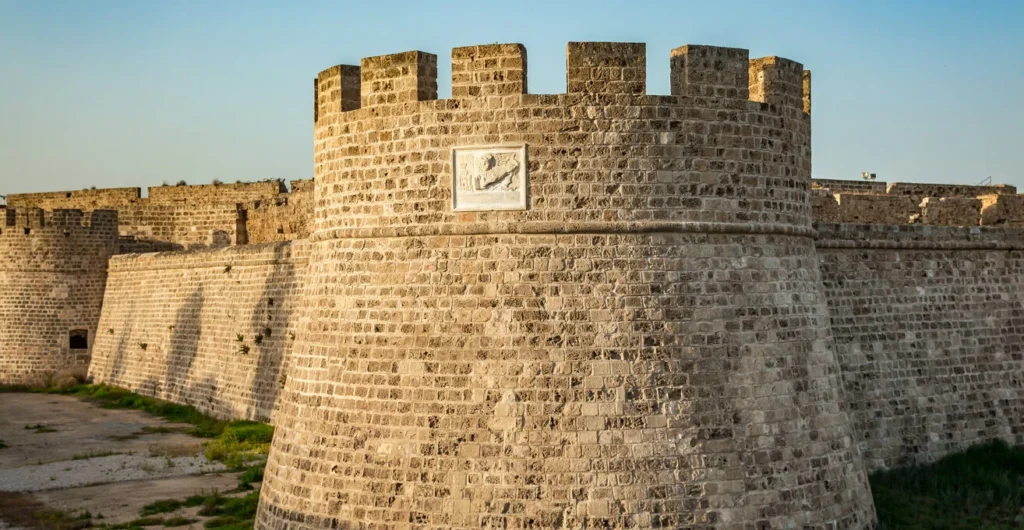
A powerful 14th-century fortress overlooking Famagusta Harbor, Othello Castle is one of the city’s leading tourist attractions and a cornerstone of any Famagusta sightseeing itinerary. The castle showcases a rare blend of Lusignan Gothic architecture and Venetian military engineering, featuring artillery bastions, a deep moat, and a monumental entrance arch adorned with the Lion of Saint Mark. Located within the historic perimeter, it forms a natural extension of Famagusta Old Town, offering sweeping views of the port, the ramparts, and the neighborhoods enclosed by the walls.
A key visual landmark: the entrance portal with the relief of the Lion of Saint Mark—one of the most recognizable façades in Famagusta.
Location and how to get there
The fortress stands in the northeastern part of the Old Town, near the Sea Gate, within easy walking distance of Namık Kemal Square (approximately 7–10 minutes). The nearby waterfront leads toward the historic harbor and sections of the Venetian walls.
How to get there:
- On foot: The most convenient option is to enter through either the Sea Gate or the Land Gate and follow the signs for “Othello Kalesi.”
- From Nicosia (Lefkoşa) and Ercan Airport (ECN): Take intercity transport to Famagusta, then a short taxi ride or walk from the city walls. Up-to-date information on transport infrastructure and tourist services is published by the Tourism Ministry.
- From Ayia Napa / Protaras (via the Derinya checkpoint): Around 20–30 minutes by car after crossing the checkpoint; park near the Land Gate or the harbor and continue on foot to the castle. Updates on traffic conditions and parking are provided by the Gazimağusa Municipality.
- Navigation: Use “Othello Castle Famagusta” in mapping apps; standard directional signage is available inside the walls.
In summer, it’s best to plan your visit for early morning or close to sunset: cooler temperatures, softer light for photography, and fewer crowds.
What to see
- The entrance portal and the Lion of Saint Mark relief. Venetian symbolism highlighting the fortress’s late-15th-century modernization for artillery warfare.
- The inner courtyard and casemates. Stone corridors, vaulted passages, and small chambers with informational panels on fortifications and harbor defense.
- The wall walk. Accessible sections of the ramparts with embrasures allow visitors to assess firing angles and overlook the harbor; safe areas are clearly marked.
- The moat and bastions. Monumental earth-and-stone structures that create a cohesive image of a classic Mediterranean citadel.
- Viewpoints. Panoramas of the harbor, the line of the walls, Old Town rooftops, and the sea—among the best vantage points for photographing Famagusta’s top sights.
- Historical context. The site is managed by relevant authorities; essential information on museums and monuments is published by the Ministry of Culture and Antiquities.
Practical recommendations:
- Wear footwear with non-slip soles—uneven surfaces are common on walls and stairways.
- In hot weather, bring water and a hat; shaded areas are limited.
- Photography is permitted in open areas; please treat the stonework with care.
Important note: access to certain areas may be restricted during restoration works or adverse weather. Check locally or via official resources before your visit.
Admission fees and opening hours
Below are indicative visiting details (converted to US dollars). Final conditions depend on the season, public holidays, and the site’s internal regulations.
| Item | Details |
|---|---|
| Ticket | $2–4 per adult (payment usually at the ticket office; cash only) |
| Discounts | May be available for children, students, or groups—check on site |
| Hours (summer) | Daily, approximately 09:00–18:30 |
| Hours (winter) | Daily, approximately 09:00–16:30 |
| Closures | Schedule changes possible on Mondays and public holidays |
| Information languages | Signage and panels mainly in Turkish and English |
Before visiting, it’s advisable to confirm current opening hours and any restrictions on the websites of the Tourism Ministry and the Gazimağusa Municipality.
Othello Castle is among the top attractions in Famagusta and a must for any Famagusta day trip. It pairs naturally with Namık Kemal Square, Lala Mustafa Pasha Mosque, and a walk along the city walls. Allow 40–60 minutes to explore the main areas of the fortress, plus another 20–30 minutes for photography and harbor views. This pace fits seamlessly into a well-planned Famagusta itinerary and makes it easy to cover the city’s key historical attractions in a single day.
3. Lala Mustafa Pasha Mosque
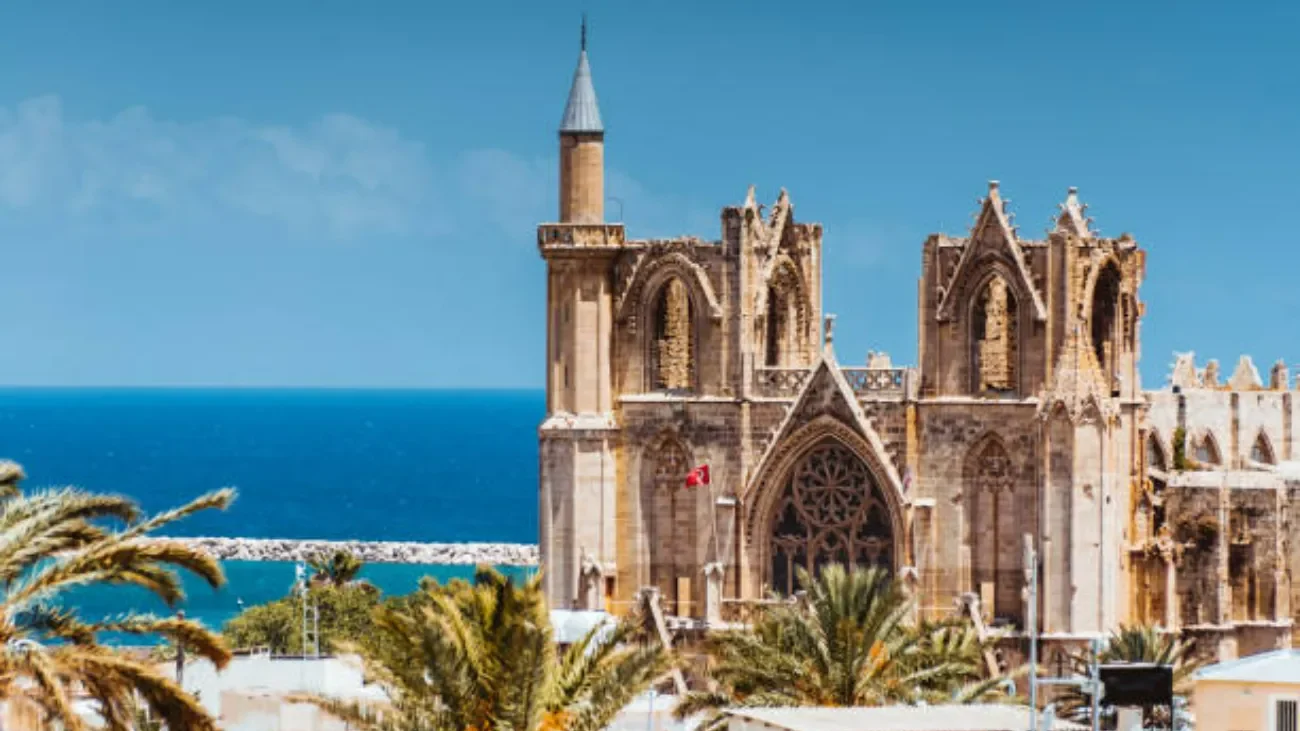
The largest Gothic building in Cyprus and one of the most important Famagusta attractions, Lala Mustafa Pasha Mosque sets the architectural tone of Namık Kemal Square. Built in the 14th century as the Cathedral of St. Nicholas and converted into a mosque in 1571, it features pointed arches, an ornate rose window on the western façade, distinctive “truncated” twin towers, and a slender Ottoman minaret. The site consistently ranks among the top attractions in Famagusta and fits naturally into a visit that also includes Famagusta Old Town and Othello Castle. At the foot of the steps stands a famous sycamore tree said by local guides to be around seven centuries old—an excellent spot for shade at midday and striking photographs.
Key feature: a rare example of “cathedral Gothic” in the Eastern Mediterranean that continues to function as an active mosque. Visitors are welcome, provided they follow basic rules: modest dress, respect for worship, and quiet behavior.
Location and how to get there
The mosque is located in the historic center, on Namık Kemal Square, within the Venetian walls of Famagusta Old Town (Gazimağusa). It’s a 5–7 minute walk from the Sea Gate and about 10–12 minutes from the Land Gate, following signs for “Lala Mustafa Paşa Camii.”
Getting there:
- From Nicosia (Lefkoşa) and Ercan Airport (ECN): Intercity routes arrive at Famagusta’s main bus station; from there, it’s a 10–15 minute walk to the city walls and onward via internal signage. General tourist and transport information is published by the TRNC Ministry of Tourism.
- From Ayia Napa / Protaras: After crossing the Derinya checkpoint by car, the drive takes about 20–30 minutes. Parking is available near the Land Gate and along the waterfront; current municipal notices are posted by the Gazimağusa Municipality.
- Navigation inside the walls: Follow signs to “Namık Kemal Meydanı.” The mosque dominates the square and is visible from surrounding streets.
Best time to visit: early morning or after 4:00 pm, when the light is softer for façade photography and tour groups are fewer.
What to see
- The western façade and rose window. The main portal, with its delicate stone carving and large circular rose, is the signature image of Gothic Famagusta.
- Twin towers and the minaret. The medieval towers were damaged during the 1571 siege and now end in clean, truncated tops; an elegant Ottoman-era minaret was added to the southern side.
- Interior (active mosque). The space has been cleared of the former altar and covered with carpets, while the Gothic arcades and columns remain; the mihrab and minbar were added later. The atmosphere is calm and cool.
- Namık Kemal Square. Cafés, deep shade from the old sycamore, and a full, unobstructed view of the façade—an ideal place to start or finish a walking route through Famagusta Old Town.
- Historical context. Official reference information on Famagusta’s cultural sites and monuments is published by the TRNC Ministry of Culture and Antiquities.
Visiting rules (important)
- Dress code: shoulders and knees must be covered; women should wear a headscarf.
- Footwear: shoes must be removed before entering; leave them at the entrance.
- Photography: generally allowed outside prayer times, without flash and without photographing worshippers.
- Behavior: keep silence, set phones to silent mode, and do not cross the prayer area during prayers.
Reminder: this is an active religious site; tourist access may be limited during prayers and religious events.
Admission and opening hours
The details below are guidelines for planning your visit. Actual conditions may vary depending on the season, holidays, and the prayer schedule.
- Admission: free
- Optional donation: USD 1–2 (donation box at the entrance)
- Opening hours: daily outside prayer times; access is limited around midday on Fridays
- Recommended visiting window: 9:00–12:00 or 15:30–18:00 (seasonal)
- Guides: private Old Town tours typically cost USD 40–60 for two hours and usually include the mosque as part of the route
For up-to-date conditions and any temporary restrictions, consult official sources such as the TRNC Ministry of Tourism and the Gazimağusa Municipality.
Important: on public holidays and during major religious services, tourist access may be temporarily suspended—plan extra time accordingly.
4. Salamis Ancient City
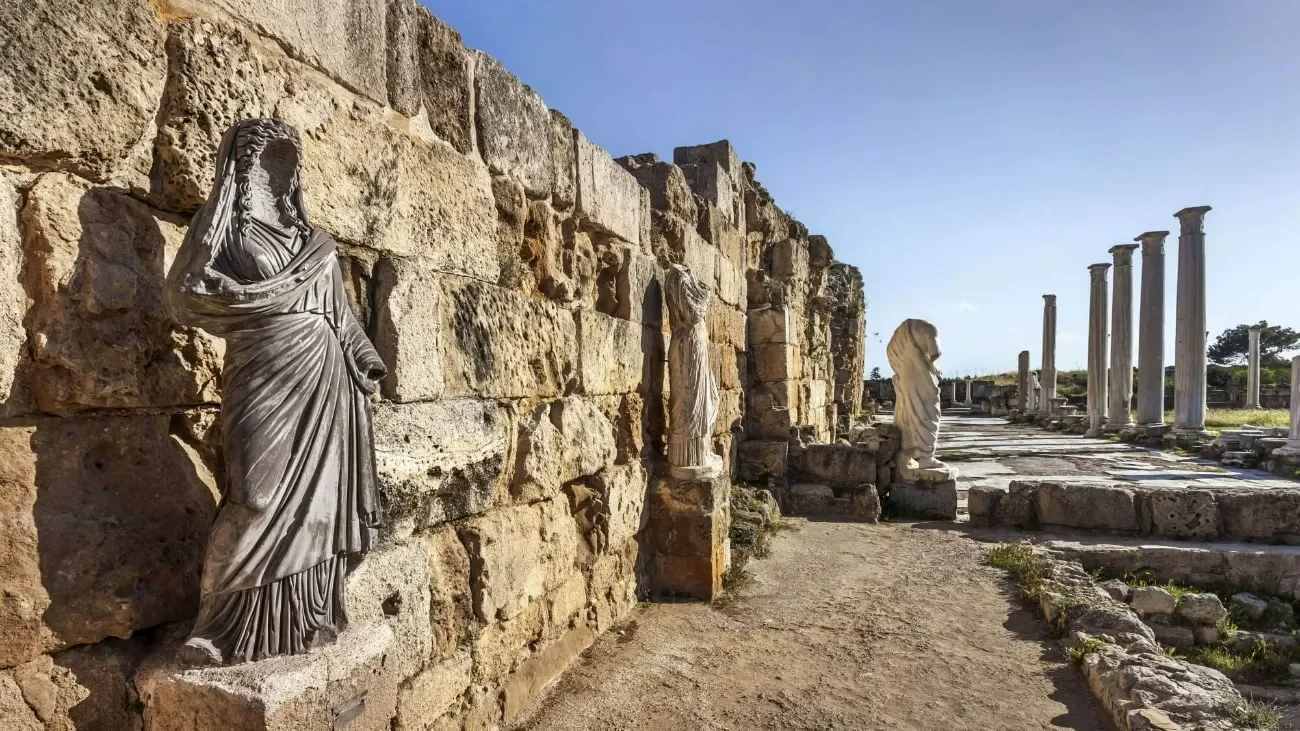
The largest ancient complex in the eastern Mediterranean, located just north of Famagusta, Salamis is a must-see among Famagusta attractions and one of the best places to visit in Famagusta. Spread across a vast open area, the site preserves an impressive Roman theater, a gymnasium with bath complexes, colonnaded streets, basilicas, and elements of urban infrastructure such as aqueducts, cisterns, and latrines. A visit to Salamis is easily combined with the nearby St. Barnabas Monastery and its icon museum, together offering a coherent picture of the region’s ancient and early Christian periods.
Key takeaway: Salamis is an open-air museum that requires time and comfortable footwear. Plan 1.5–2.5 hours to explore the main areas properly.
Location and how to get there
Salamis Ancient City is located approximately 6–8 km north of central Famagusta (Gazimağusa), in the direction of Iskele. The main entrance and parking area are situated along Salamis Yolu; signage may read “Salamis Harabeleri” or “Ancient Salamis.”
How to get there:
- By car: 10–15 minutes from Famagusta Old Town; parking at the entrance is usually free. From Nicosia, allow about 55–70 minutes via the main highway.
- Public transport: Dolmuş minibuses on the Famagusta–Iskele–Karpaz route stop near the entrance; travel time is around 15–25 minutes, with fares of approximately $1–2.
- Taxi: 10–20 minutes from the Old Town, depending on traffic; expect around $8–15 one way.
- Official information on tourist services and site accessibility is published by the TRNC Ministry of Tourism, while general details on cultural monuments can be found on the website of the TRNC Ministry of Culture and Antiquities.
Best time to visit: early morning or after 4:00 pm—cooler temperatures, softer light for photography, and a more relaxed atmosphere on the paths.
What to see
- Roman theater (amphitheater). Restored seating tiers convey the scale of the ancient city; from the upper rows, you can enjoy views of the sea and surrounding ruins.
- Gymnasium and baths. A large complex with marble columns, mosaic fragments, and clearly readable layouts—from changing rooms to the caldarium; the famous public latrines are located nearby.
- Palaestra and colonnades. Exercise and promenade spaces with strong linear perspectives—among the most photogenic viewpoints of Salamis Ancient City.
- Agora and urban infrastructure. Remains of market rows, workshop foundations, cisterns, and parts of the water system illustrate the everyday economic life of the ancient polis.
- Early Christian basilicas. Most notably the Campanopetra Basilica near the coast, with the layout of a three-aisled church, standing columns, and elements of the altar area.
- Coastline and harbor zone. Surviving sections of the ancient shoreline and breakwaters help visually reconnect the city with the sea.
- St. Barnabas Monastery and Icon Museum (5–10 minutes by car). The collection complements Salamis with artifacts and iconography; official information on cultural sites is published by the TRNC Ministry of Culture and Antiquities.
Practical tips:
- Wear sturdy, closed-toe shoes: paths are unpaved and stone surfaces are uneven.
- Bring water, a hat, and sun protection: shade is limited, especially around the theater and gymnasium.
- Basic facilities are available near the entrance (restrooms, seasonal kiosk); dispose of waste only in bins near the entry area.
Important: Do not climb unstable structures or touch mosaics and carved elements. Drone use is permitted only with authorization from the relevant authorities.
Admission fees and opening hours
Below are standard reference figures in US dollars; prices and hours may vary depending on season, public holidays, and restoration work.
Salamis Ancient City
- Entrance ticket: $3–6 per adult
- Discounts: children/students usually $1–3 (confirmed at the ticket office)
- Summer hours: typically 09:00–18:30 (last entry around 18:00)
- Winter hours: typically 09:00–16:30
- Payment: usually cash; card acceptance may vary
- Recommended visit time: 1.5–2.5 hours
St. Barnabas Monastery (nearby)
- Entrance ticket: $1–3 per adult (separate ticket)
- Discounts: age/status-based reductions available on site
- Summer hours: typically 09:00–17:00
- Winter hours: typically 09:00–16:00
- Recommended visit time: 40–60 minutes
For the most up-to-date opening hours, ticket prices, and any access restrictions, consult the official TRNC Ministry of Tourism. Local notices and road information around Famagusta are published on the Gazimağusa Municipality website.
Salamis Ancient City is a cornerstone of Famagusta sightseeing and a true anchor for any Famagusta itinerary. Combine it with a visit to St. Barnabas Monastery and a walk along the Famagusta waterfront to gain a well-rounded understanding of the region’s ancient urban life, early Christianity, and maritime heritage.
5. Varosha
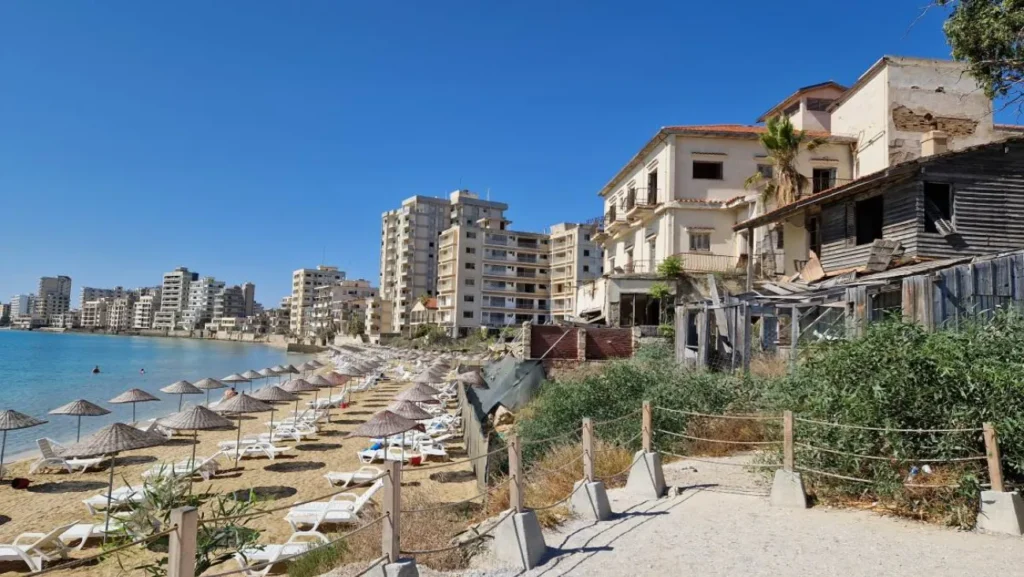
Varosha (Maraş) is a unique abandoned resort district of Famagusta that has been partially open to visitors since 2020. Often described as a “ghost town,” it features empty streets and hotel façades from the 1960s–1970s, offering a rare glimpse into the region’s recent history. The area consistently ranks among Famagusta attractions and is especially compelling under the lens of Varosha Ghost Town as part of the city’s contemporary cultural landscape.
Important: Access is permitted only along clearly marked routes. Entering buildings, crossing barriers, or filming toward restricted or military zones is strictly prohibited. Current rules and updates are published by the TRNC Ministry of Tourism.
Location and how to get there
Varosha is located on the southeastern edge of Famagusta, stretching along the city’s coastline directly south of Palm Beach. Visitor entry points are positioned along the seafront and adjacent streets; walking routes are clearly marked on site.
How to get there:
- From Famagusta Old Town: 5–10 minutes by taxi (approximately $3–6) or a 25–35-minute walk along the coast toward Palm Beach.
- From Nicosia (Lefkoşa) and Ercan Airport (ECN): Intercity buses or dolmuş minibuses run to Famagusta; from there, a short taxi ride takes you to the Varosha entrance. Tourist information and any seasonal restrictions are published by the TRNC Ministry of Tourism.
- From Ayia Napa / Protaras (via the Derinya checkpoint): Around 20–35 minutes by car after crossing the checkpoint; convenient parking is available near Palm Beach and surrounding streets. City updates on roads and parking are provided by the Gazimağusa Municipality.
Recommended time to visit: early morning or late afternoon—more comfortable temperatures and better light; at midday there is very little shade along the route.
What to see
- Pedestrian corridors of the ghost town. Streets open to visitors feature preserved hotel façades, former shopfronts, and orderly resort-era architecture from the height of Eastern Mediterranean beach tourism.
- Seafront promenade and designated beach area. A section of the waterfront with sea access and views across rows of empty hotels; this is also where control points and information boards outlining visitor rules are located.
- Interpretive information panels. Marked stops with brief historical notes, archival photographs, and route maps.
- Views toward Palm Beach and Famagusta’s city walls. The contrast between the lively shoreline and the frozen urban blocks is a defining visual theme of Varosha as part of Famagusta sightseeing.
- Cycling route within the accessible zone. Seasonal bicycle and e-scooter rentals operate near the entrances; movement is restricted to designated lanes only.
Rules of conduct: Do not touch barriers or warning tape, do not attempt to enter buildings, and do not use drones without official authorization. Violations may result in fines or inspections. Core requirements and operating rules for tourist areas are published by the TRNC Ministry of Tourism and the Gazimağusa Municipality.
Practical tips:
- Wear closed shoes and bring water and sun protection; shade is limited, especially along central sections of the route.
- Wide-angle photography is generally permitted; filming toward restricted or secured facilities may be limited.
- Facilities (restrooms, cafés, rentals) are concentrated near the entrances and along the promenade; there are no services inside the sealed building perimeter.
Admission and opening hours
Access to the open routes of Varosha is generally free of charge. Certain services and rentals are paid separately. Opening times may vary by season and security status.
- Entry to Varosha: Free; typically open daily from around 08:00 until sunset (in summer often until about 20:00). Security checks at entrances are possible.
- Beach area (sunbed/umbrella): Approximately $3–6 per item; daylight hours, seasonal.
- Bicycle rental: About $3–8 per hour; use limited to marked paths.
- E-scooter / e-bike rental: About $5–10 per hour; speed limits apply.
- Private guided tour (external route): Around $50–80 for 1.5–2 hours (up to 4 people); routes are approved in line with current restrictions.
Essential note: Visiting rules for Varosha, as well as access to specific streets or beach sections, can change at short notice. Before your visit, check official announcements from the TRNC Ministry of Tourism and local updates from the Gazimağusa Municipality.
Varosha is a powerful landmark of recent history and one of the top attractions in Famagusta for travelers shaping a Famagusta itinerary or planning a Famagusta day trip. When rules are respected and visitors stay within marked corridors, the experience is safe and pairs naturally with a walk along Palm Beach and a visit to the Old Town. Allow 1–2 hours for a calm exploration and photography.
6. Palm Beach

Palm Beach is Famagusta’s classic city beach, known for its fine light-colored sand, gentle entry into the water, and open views toward the historic city walls and the hotel skyline of Varosha. It is one of the most accessible Famagusta beaches for everyday relaxation and sunset photo walks, equally convenient for families with children and for short stops during Famagusta sightseeing.
Key point: beach access is free; lifeguards and sunbed/umbrella rentals operate seasonally. Most amenities are concentrated along the seafront promenade and the adjacent streets.
Location and how to get there
Palm Beach is located south of Famagusta Old Town (Gazimağusa), directly along the waterfront and just north of the open section of Varosha. The distance from the city walls is approximately 1.5–2 km.
How to get there:
- On foot from the Old Town: about 20–30 minutes along the seafront promenade.
- By taxi: 5–10 minutes from central neighborhoods; approximately $3–6 one way.
- Public transport: city and intercity minibuses arrive at central stops in Famagusta; from there, continue on foot or by a short taxi ride. General visitor information and service updates are published on the TRNC Ministry of Tourism portal.
- By car: street parking is available along the seafront and nearby streets; municipal notices on traffic and restrictions are published by the Gazimağusa Municipality.
Note: during high season and on weekends, parking fills up quickly; arriving between 09:00 and 10:00 is recommended.
What to expect
- Beachfront and panoramas. A long stretch of pale sand with open views of the Mediterranean, the old harbor, and the silhouette of the city walls. Sunsets here are among the most photogenic scenes on the urban coastline.
- Seafront promenade. A paved path along the beach, popular for walks and morning runs; cafés and drink kiosks operate seasonally.
- Views toward Varosha. From the northern section of the beach, you can see the perimeter of the restricted district; follow all posted signs and barriers.
- Swimming conditions. A gently sloping seabed and moderate waves make the area comfortable for family swimming; buoy lines are set up during the season.
- Seasonal activities. Sunbed and umbrella rentals, and occasionally SUP boards or kayaks; available services depend on the season and current concessions. Updates are often announced through Gazimağusa Municipality notices.
Practical tips:
- This is an open beach with limited natural shade—bring a hat and sun protection.
- Photography is unrestricted on the beach itself; when facing fenced areas of Varosha, follow posted instructions and guidance from staff or patrols.
- Payment at kiosks and rental points may be cash or card depending on the operator; keep small change for minor expenses.
Safety: swim within buoyed areas and follow the flag system. Temporary restrictions or coastal events may be announced via official tourism resources and municipal updates.
Costs and operating details
Access to Palm Beach is free of charge. Paid services are typically limited to rentals and certain facilities. Below are indicative prices in US dollars; conditions vary by season and operator.
- Beach access: free, 24/7 (public urban beach)
- Sunbed: $3–5, daytime use
- Umbrella: $3–5; a set of two sunbeds plus an umbrella often costs $6–10
- SUP / kayak (seasonal): $8–15 per hour, subject to availability
- Showers / changing facilities: free or $0.5–1, depending on the location
- Parking: free or $0–2 on nearby streets, depending on the section
- Cafés and drinks: coffee $2–4; lunch $8–15, typically seasonal (around 09:00–20:00)
- Lifeguard post (summer): usually staffed from 09:00 to 18:00, schedule may vary
Important: service schedules, temporary restrictions, and coastal events—including public holidays—are announced on the official portals of the TRNC Ministry of Tourism and the Gazimağusa Municipality. Checking the latest updates is especially advisable during peak season.
7. Cape Greco National Forest Park
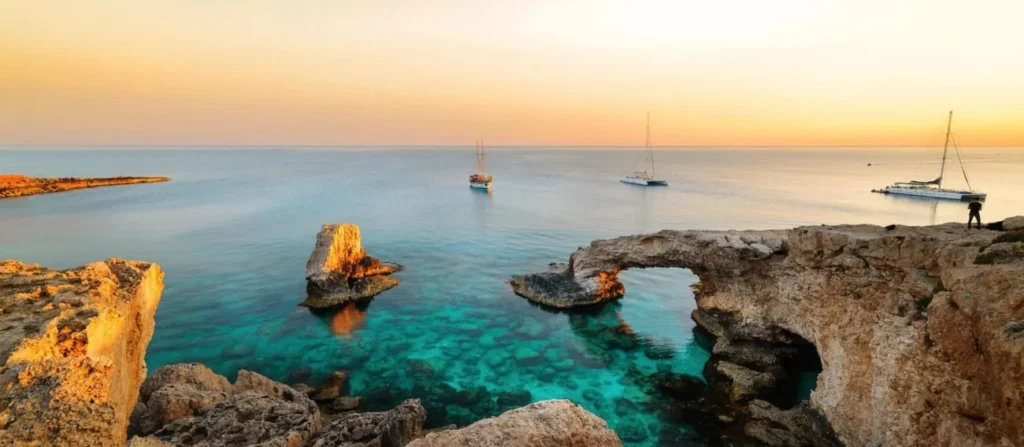
Cape Greco National Forest Park is the natural highlight of southeastern Cyprus, stretching between Ayia Napa and Protaras. Pine forests, dramatic limestone cliffs, turquoise coves, and the famous Cape Greco sea caves define the landscape. As part of the Natura 2000 network, the park is widely regarded as one of the top attractions in Famagusta for a day trip, offering hiking trails, panoramic viewpoints, underwater photography, and quiet picnic areas. Essential information on access rules and conservation guidelines is published by the Cyprus Department of Forests and the Deputy Ministry of Tourism of the Republic of Cyprus.
Key point: park entry is free, with facilities spread across several hubs (Konnos Bay, Agioi Anargyroi, the cape and lighthouse area). Plan 3–4 hours to explore the main locations comfortably.
Location and how to get there
The park is located at Cape Greco (Cavo Greco), approximately 45–55 minutes by car from Famagusta Old Town (via the Derinya checkpoint) and 10–20 minutes from Ayia Napa or Protaras. The main access points include parking areas at Konnos Bay, near the Agioi Anargyroi church, the lighthouse viewpoint, and the Kamara tou Koraka area.
How to get there:
- By car: from Famagusta, cross the Derinya checkpoint toward Ayia Napa/Protaras and follow signs for “Cape Greco.” Parking is free, with marked bays and information boards at the main entry hubs.
- Public transport: travel to Ayia Napa or Protaras, then continue by local bus or taxi to the park entrances (approximately $5–15 depending on distance).
- Taxi: from Ayia Napa or Protaras, 10–20 minutes; typical one-way fare is $10–20.
- Navigation tips: use landmarks such as “Cape Greco lighthouse,” “Agioi Anargyroi church,” or “Konnos Bay” in navigation apps.
Important: Cape Greco is a protected natural area. Visitor regulations—such as fire bans, staying on marked trails, and respecting barriers near cliffs—are issued by the Department of Forests.
What to see
- Cape Greco sea caves (including Palace Cave, Smugglers’ Cave, and Cyclops Cave). Natural grottos and rock arches line the cliffs, popular for snorkeling and photography. Access to cliff edges is permitted only via marked paths.
- Clifftop viewpoints and the lighthouse. Wide panoramas over the eastern Mediterranean, seasonal bird migration routes, and distant views toward Ayia Napa and Protaras. Railings and warning signs are installed at key points.
- Kamara tou Koraka (natural arch). The viewing area is fenced; photography is best in early morning or late-afternoon light.
- Agioi Anargyroi Church and the descent to the sea cave. A white chapel at the edge of the plateau, with stairs leading down to a natural sea-level “chapel”—one of the park’s most recognizable scenes.
- Hiking trails and picnic areas. Loop routes, including sections of the European E4 trail, pass through pine and juniper groves; picnic tables, bins, and wayfinding signs are provided.
- Konnos Bay. A sheltered beach cove with seasonal kayak and SUP rentals, often used as a starting point for water activities along the cliffs.
- Flora and fauna. Spring brings endemic wildflowers; autumn and spring are peak seasons for bird migration. Informational panels along the trails provide brief natural history notes.
Safety: keep a safe distance from cliff edges and never jump from rocks. When seas are rough, limit swimming to sheltered coves. In emergencies, dial 112.
Practical tips:
- Wear closed, non-slip footwear; bring water and sun protection—shade is limited on exposed headlands.
- Drones and spearfishing require permits from the relevant authorities.
- Dispose of waste only in bins at entry hubs; near the water, avoid disturbing fragile marine life on the rocks.
- Current conservation notices and seasonal restrictions are published by the Department of Forests and the tourism authority.
Costs and opening details
Entry to Cape Greco National Forest Park is free, and the area is open year-round. Fees may apply only to partner services (guided tours, rentals, private boat trips) or to nearby visitor centers and small exhibitions. Indicative prices in US dollars are listed below.
- Park entry: free, 24/7, year-round (Natura 2000 site; conservation rules apply)
- Parking at access points: free; available during daylight hours (spaces fill up by midday)
- Visitor center / exhibitions (seasonal): $2–5; typically around 09:00–16:00, Monday often closed (check locally)
- Private guided hike (2–3 hours): $40–80 per group (up to 4 people), route tailored to fitness level
- Kayak / SUP rental (Konnos Bay): $10–20 per hour, weather and season permitting
- Boat trip to the caves: $20–35 for 1.5–2 hours, usually departing from Ayia Napa or Protaras harbors
- Snorkeling safari / introductory dive: $25–45 / $60–110, by reservation; certification and insurance as required by the operator
Note: seasonality, weather, and fire-prevention measures may affect access to certain trails and cliff sections. Before visiting, check current advisories from the Department of Forests and updates from the tourism authority.
8. Namik Kemal Dungeon
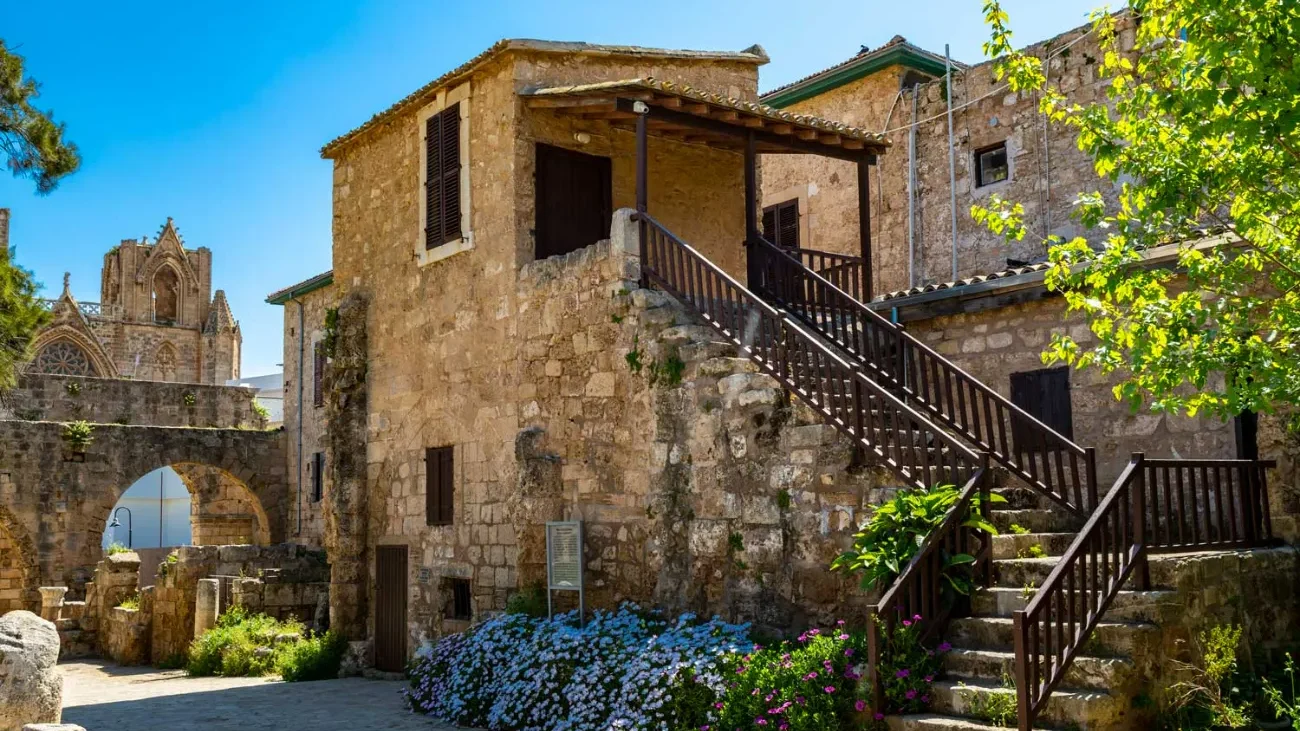
The Namik Kemal Dungeon Museum is a compact yet evocative historical site located in the very heart of Famagusta Old Town, on Namık Kemal Square. The exhibition focuses on the life and literary legacy of the Ottoman poet Namık Kemal, as well as the period of his exile in Famagusta in the 19th century. A visit typically takes 20–40 minutes and fits naturally into a walking route through Famagusta Old Town.
Key point: the site is small but highly atmospheric, featuring stone vaults, narrow passageways, memorial rooms, and views across the square toward the façade of Lala Mustafa Pasha Mosque.
Location and how to get there
The museum is located directly on Namık Kemal Square, just a 2–3 minute walk from Lala Mustafa Pasha Mosque and around 7–10 minutes from the Sea Gate. For navigation within the city walls, use “Namık Kemal Meydanı, Gazimağusa.”
How to get there:
- On foot: it makes sense to include the museum as part of a circular Old Town route—Namık Kemal Square → the mosque → Gothic church ruins → Namik Kemal Dungeon.
- From Nicosia (Lefkoşa) or Ercan Airport (ECN): take intercity transport to Famagusta, then walk from the gates or use a short taxi ride to the square. General visitor information and opening updates are published by the TRNC Ministry of Tourism.
- From Ayia Napa / Protaras (via the Derinya checkpoint): approximately 20–35 minutes by car; parking is available near the city walls and the Land Gate. Local traffic notices and event updates are published on the Gazimağusa Municipality portal.
Note: Namık Kemal Square is a pedestrian zone. Taxis drop off on nearby streets, followed by a short 2–4 minute walk using posted signs.
What to see
- Historic structure and underground spaces. Stone walls, vaulted ceilings, small cells, and narrow corridors create the authentic “dungeon” atmosphere of the complex.
- Memorial rooms. Exhibits dedicated to Namık Kemal’s exile period, including biographical notes, reproductions of documents and publications, and everyday items from the era.
- Interpretive panels. Concise background on the Ottoman period in Famagusta and the city’s cultural heritage; official information on historic monuments is published by the TRNC Ministry of Culture and Antiquities.
- Views over Namık Kemal Square. From the entrance and windows, there is a direct visual connection to the façade of Lala Mustafa Pasha Mosque and daily life within the city walls.
- Integration into walking routes. The museum pairs well with visits to Othello Castle and the nearby bastions, creating a coherent narrative that links literature, history, and fortifications.
Practical tips:
- Clothing and footwear: interior stairways and narrow passages mean closed, non-slip shoes are recommended.
- Accessibility: the site includes steps and level changes; accessibility for visitors with reduced mobility is limited.
- Photography: generally permitted without flash; follow staff instructions and do not touch exhibits.
Important: during peak hours, especially when group tours arrive, entry may be regulated. Check locally or via official tourism sources for updates.
Admission fees and opening hours
Below are indicative visitor details in US dollars. Actual hours and conditions may vary depending on season, public holidays, and internal regulations.
- Ticket: $1–2 per adult; reduced rates usually apply for children and students
- Payment: most often cash; card acceptance depends on circumstances
- Summer hours: typically 09:00–17:00
- Winter hours: typically 09:00–16:30
- Closed: schedule changes possible on Mondays and public holidays
- Recommended visit time: 20–40 minutes
Before visiting, it is advisable to confirm current opening hours, ticket prices, and any access restrictions on the websites of the TRNC Ministry of Tourism and the Gazimağusa Municipality.
Visitor note: the museum operates under standard heritage-site rules—careful treatment of stonework, exhibits, and barriers is required.
9. Canbulat Museum
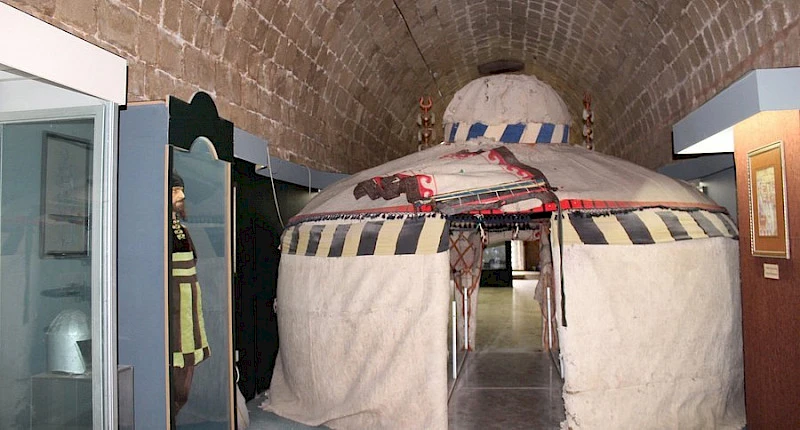
The Canbulat Museum is a focused historical site located within Famagusta’s Venetian walls, dedicated to the 1571 siege of the city and the role of the Ottoman commander Canbulat Bey. The exhibition is housed inside the Canbulat Bastion itself and highlights Famagusta’s strategic importance in the Eastern Mediterranean through artillery displays, fortification reconstructions, maps, and archival materials.
Key point: the museum is located inside the Canbulat Bastion, making the visit both a museum experience and a hands-on exploration of military architecture, where exhibits are complemented by the physical structure of the walls and defenses.
Location and how to get there
The museum occupies the southwestern section of the Venetian walls, near the Land Gate (Ravelin), within a 7–10 minute walk from Namık Kemal Square. Wayfinding inside the walls is straightforward: signs marked “Canbulat Müze / Museum” lead directly to the bastion adjacent to the road loop by the gate.
How to get there:
- On foot through the Old Town: the most convenient route runs from Namık Kemal Square toward the Land Gate along historic streets, with no significant elevation changes for strollers.
- From Nicosia (Lefkoşa) or Ercan Airport (ECN): intercity buses travel to Famagusta, followed by a 5–10 minute taxi ride to the Land Gate or a 15–20 minute walk to the bastion. Consolidated visitor information is available on the TRNC Ministry of Tourism portal.
- From Ayia Napa / Protaras (via the Derinya checkpoint): 20–35 minutes by car; parking is most convenient near the Land Gate or along the outer perimeter of the walls. Traffic and parking updates are published by the Gazimağusa Municipality.
During peak hours for tour groups, vehicle access near the gate may be restricted; allow an extra 10–15 minutes to find parking and enter the bastion.
What to see
- Historic defensive structures. Stone casemates, ammunition niches, and wall sections that illustrate how the fortress was “Venetian-modernized” for artillery warfare.
- Exhibition on the 1571 siege. Maps, engravings, concise chronicles, scale models, and weapons-related artifacts (cannonballs, matchlock firearms, elements of military gear) explaining tactics of defense and assault.
- Section on Canbulat Bey. Biographical notes and historical context outlining the commander’s role in 16th-century campaigns and in regional memory; authoritative heritage information is published by the TRNC Ministry of Culture and Antiquities.
- Dioramas and reconstructions. Clear visual scenes depicting battle episodes and bastion layouts, accessible even to visitors without specialist knowledge.
- Viewing points. Selected platforms overlook adjacent wall sections and the outer perimeter, helping visitors understand firing sectors and defensive planning.
- Bilingual information panels (TR/EN). The dual-language presentation makes the museum easy to integrate into a self-guided walking tour of Famagusta.
Practical tips:
- Wear closed, non-slip footwear: uneven surfaces and stone steps are common in casemates and passages.
- Photography is generally permitted without flash; please do not touch the exhibits.
- In summer, interior spaces are cooler, but upper platforms are exposed to the sun—bring water and a hat.
Important: during restoration works, certain areas of the bastion may be temporarily closed. Check access on site or via official resources from the tourism authority and municipality.
Admission fees and opening hours
The figures below are indicative (in US dollars). Exact conditions depend on the season, public holidays, and the site’s operational regulations.
- Entrance ticket: $1–3 per adult; reduced rates for children and students
- Payment: usually cash at the ticket desk; card terminals may be available depending on circumstances
- Summer hours: typically 09:00–17:00 (last entry 30 minutes before closing)
- Winter hours: typically 09:00–16:30
- Closed days: Mondays and/or public holidays—schedule changes possible
- Recommended visit time: 30–60 minutes
To confirm current ticket prices and opening hours, consult the official sources of the TRNC Ministry of Tourism, the TRNC Ministry of Culture and Antiquities, and local updates from the Gazimağusa Municipality.
10. Famagusta Harbor

Famagusta Harbor is the city’s historic waterfront area, stretching along the northeastern edge of the Old Town. It combines a pedestrian seafront promenade with views of the Venetian walls and the active quays of the commercial port. For visitors, it works perfectly as a starting or finishing point for an Old Town walking route; for residents, it is a familiar everyday space for relaxed walks, with easy access to cafés and services by the water.
Key note: the pedestrian promenade is open 24/7, while operational port areas are restricted (access by permit only; photo and video recording may be limited). Current municipal notices and infrastructure updates are published by the Gazimağusa Municipality and in the tourism section of the TRNC Ministry of Tourism.
Location and how to get there
The harbor adjoins the Sea Gate of the Old Town and Othello Castle, just a 5–7 minute walk from Namık Kemal Square. The pedestrian zone runs along the water’s edge toward the breakwaters and the working piers.
How to get there:
- On foot: from Famagusta Old Town through the Sea Gate toward Othello Castle, then follow the waterfront signage.
- By taxi: 5–10 minutes from central neighborhoods; approximately $3–6 one way.
- Public transport: intercity buses arrive at central stops in Famagusta; from there, it’s a 10–20 minute walk to the city walls and the harbor. Basic visitor information is available via the TRNC Ministry of Tourism.
- By car: convenient parking areas are located outside the walls near the Land Gate and close to the port; city announcements on road closures and public events are published on the Gazimağusa Municipality website.
- Port access and infrastructure: entry rules for operational areas are regulated by relevant authorities; general information on transport and ports is published by the TRNC Ministry of Public Works and Transport.
Tip: visit around sunset—soft light, calm water, and the silhouette of the walls create ideal conditions for photography.
What to see
- The seafront promenade and fortress views. The walkway faces Othello Castle and the Venetian walls, offering one of the most recognizable historical perspectives in Famagusta.
- Fishing piers and working boats. Early in the morning, you can watch small vessels unloading and see nearby cafés come to life.
- Breakwaters and sea panoramas. Walkable sections with viewpoints over the harbor basin, the coastline, and the contrast between the sea and the urban fabric.
- Waterside cafés and terraces. Several venues operate seasonally along the first line, from early morning to late evening, with direct views over the water.
- Easy links to Old Town landmarks. Within 10–15 minutes on foot, you can reach Othello Castle, Lala Mustafa Pasha Mosque, and Namık Kemal Square—forming a convenient loop for Famagusta sightseeing.
- Information panels. At key points, brief explanations outline the history of the fortifications and the harbor’s role in Mediterranean trade; broader cultural context is available via the official tourism portal.
Practical tips:
- Respect zoning: the pedestrian promenade is freely accessible; working piers are restricted to authorized personnel.
- Pay attention to navigation signs and “No photo” notices near operational sections.
- Evening sea breezes can be strong; a light windbreaker is useful in spring and autumn.
Safety: keep a safe distance from the water in rough conditions, and do not cross barriers or warning tape, especially near cargo ramps.
Costs and operating details
The promenade and pedestrian waterfront are freely accessible at all times. Charges apply only to dining, parking (depending on location), and private water activities when available seasonally.
- Walking along the promenade: free, 24/7
- Parking near the walls/port: $0–2, typically during daytime hours, depending on the section
- Waterside cafés: coffee $2–4; lunch $8–15; hours usually around 08:00–22:00, varying by operator and season
- Short boat trips (seasonal): $20–35 for 1–1.5 hours, weather permitting; availability and departure points should be confirmed locally
- Shore or pier fishing: free, subject to local regulations and marked zones
Before visiting, check municipal notices regarding events, temporary restrictions, and seasonal regulations on the Gazimağusa Municipality website. General visitor information on Famagusta Harbor and nearby attractions is available through the TRNC Ministry of Tourism, while transport and port regulations are published by the TRNC Ministry of Public Works and Transport.
Famagusta Harbor naturally complements an Old Town itinerary: in a single visit, you can combine historic fortress views, a relaxed walk by the water, and everyday urban amenities—from an early-morning coffee to an unhurried sunset dinner. Allow 30–60 minutes for a stroll and photos, or up to 1.5–2 hours when pairing the harbor with a visit to Othello Castle and the surrounding waterfront.
Conclusion
Famagusta brings together the city’s key attractions—from the medieval walls and Othello Castle to Salamis Ancient City and the shoreline of Palm Beach—all within a compact area that can be covered in about half an hour on foot or by car. This makes it an ideal destination both for a short Famagusta day trip and for a more in-depth Famagusta itinerary of two to three days.
If you are considering relocating, the Famagusta lifestyle combines a relaxed coastal pace with accessible urban infrastructure and a wide range of housing options. Our company assists clients with property selection and purchase, from seaside apartments to private houses.
You can get in touch with us using the contact details on our website or by submitting an inquiry through the contact form. We respond within one business day and will provide an initial подбор of properties, including prices, layouts, and a location map.
 Real estate in Georgia
 Real estate in Montenegro
 Real estate in the UAE
 Real estate in Bali
 Real estate in Thailand
 Real estate in Spain
 Real estate in Saudi Arabia
 Real estate in Turkey
 Real estate in Zanzibar
 +90 533 888 29 50
 hello@cypria.homes
 Karsıyaka Sokak 8, Girne


 Get catalogue of TOP-7 objects